
Older Door Openings
Earlier garages can have opening dimensions, framing, and clearances that differ from today's common residential standards, so the opening gets measured first.
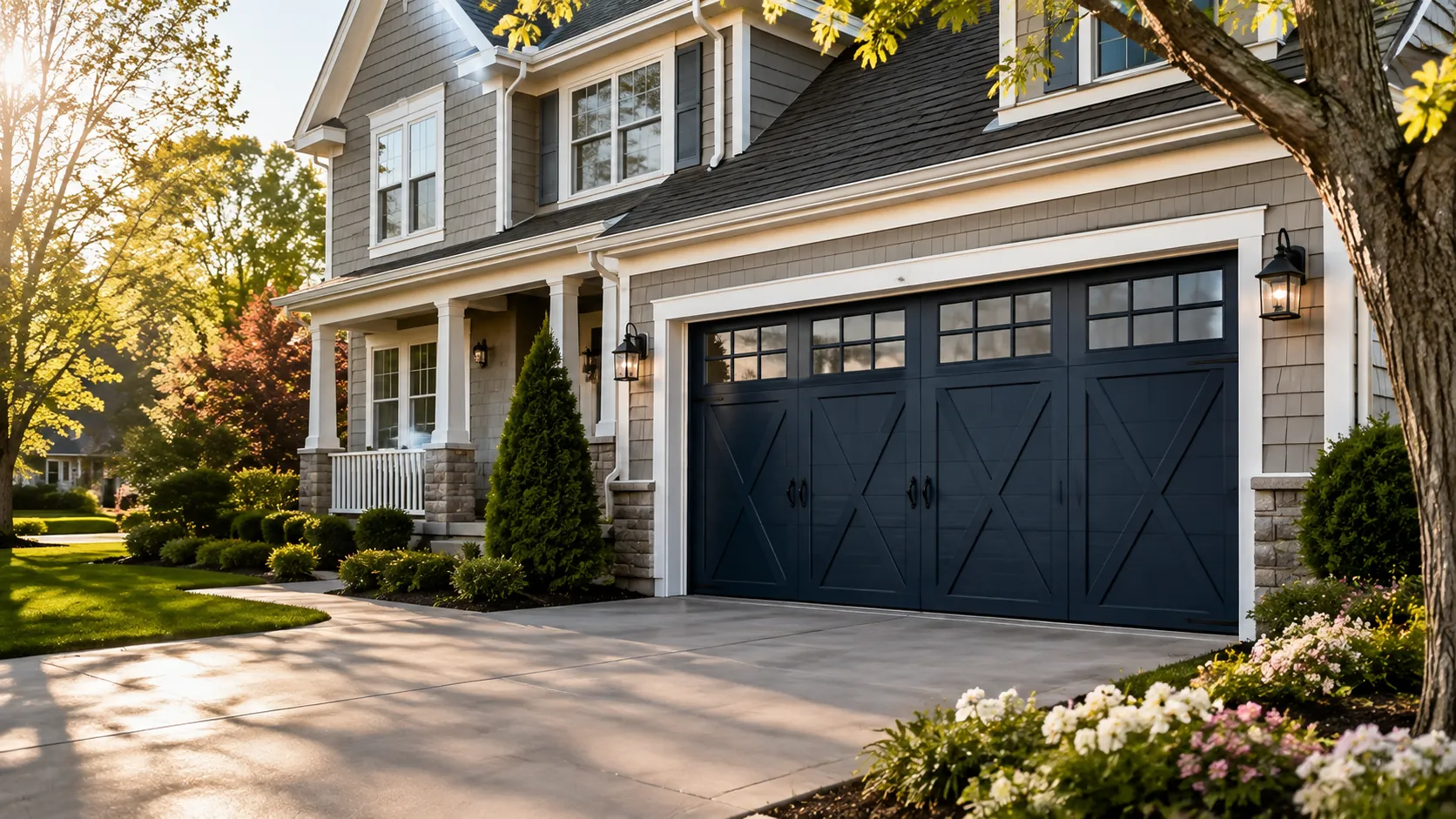
Local garage door service · Jersey City, NJ
Garage door repair and installation for Jersey City homes concentrated in the 1938–1958 housing era, covering emergency service, opener installation, opener repair, panel replacement, spring repair, and the older residential garage door systems common across the area.
Garage door services
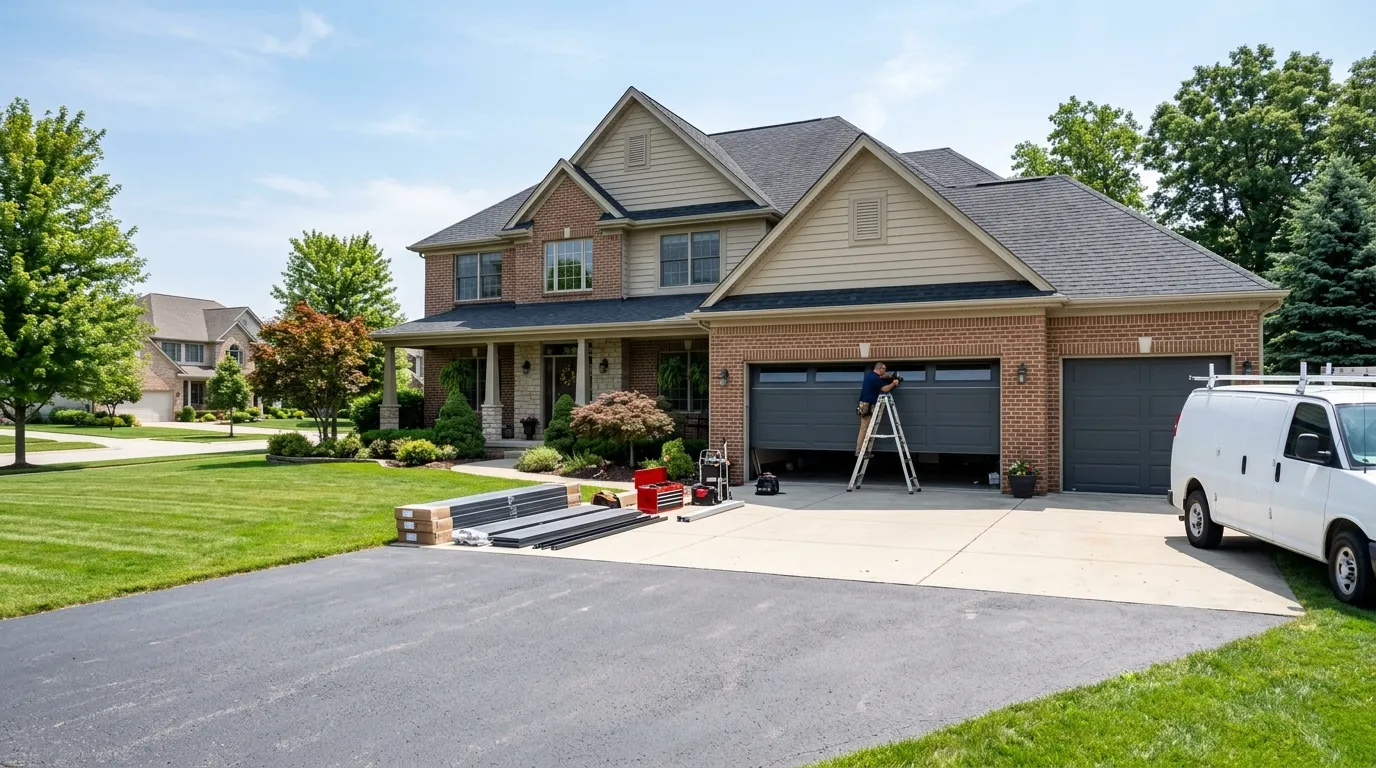
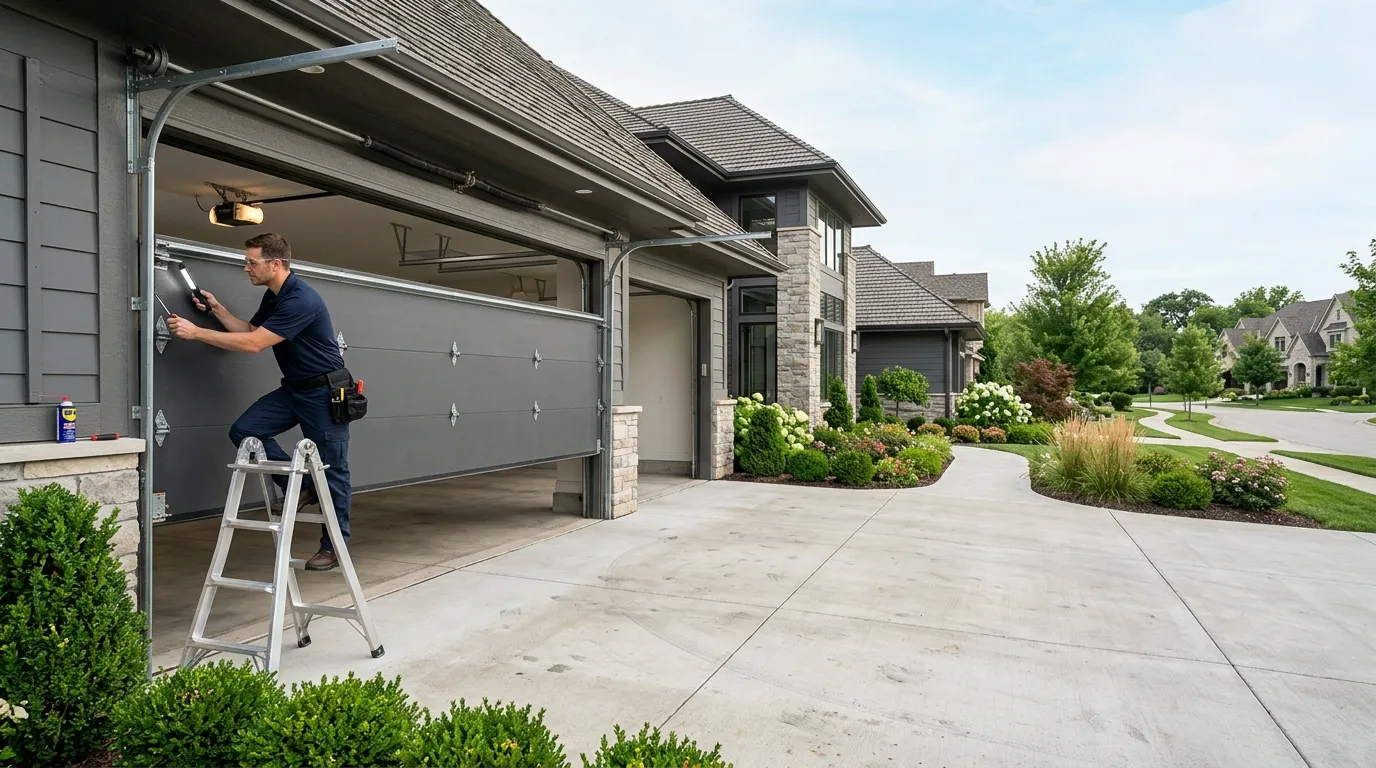
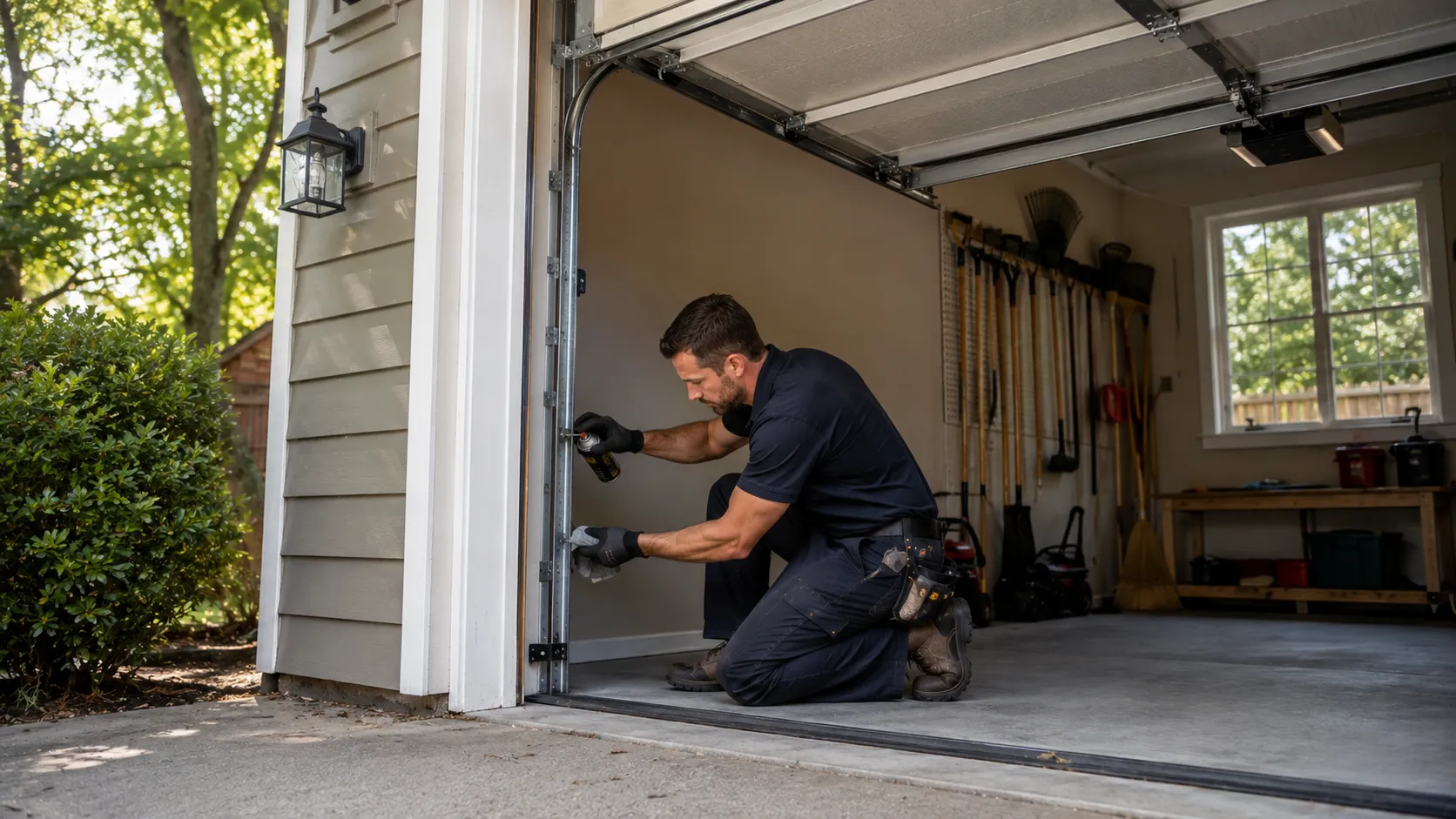
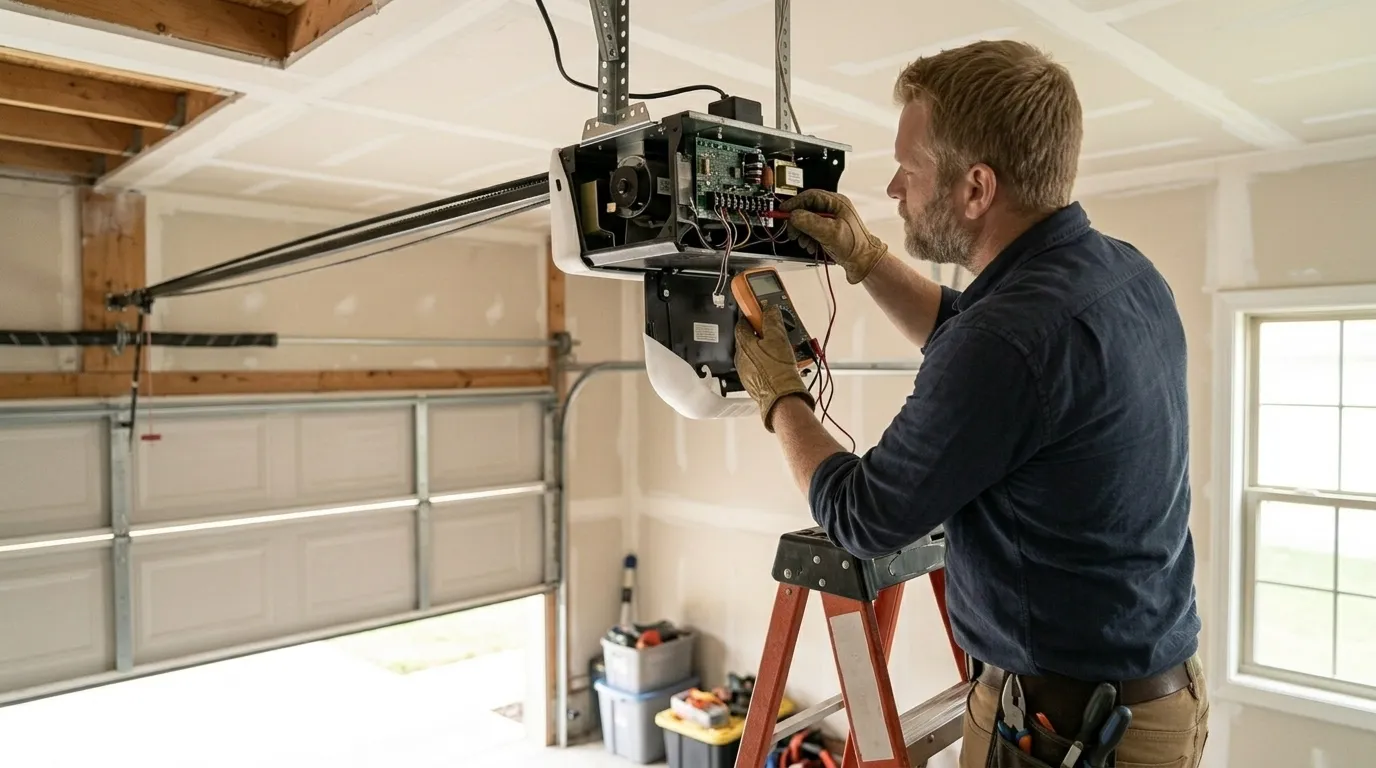
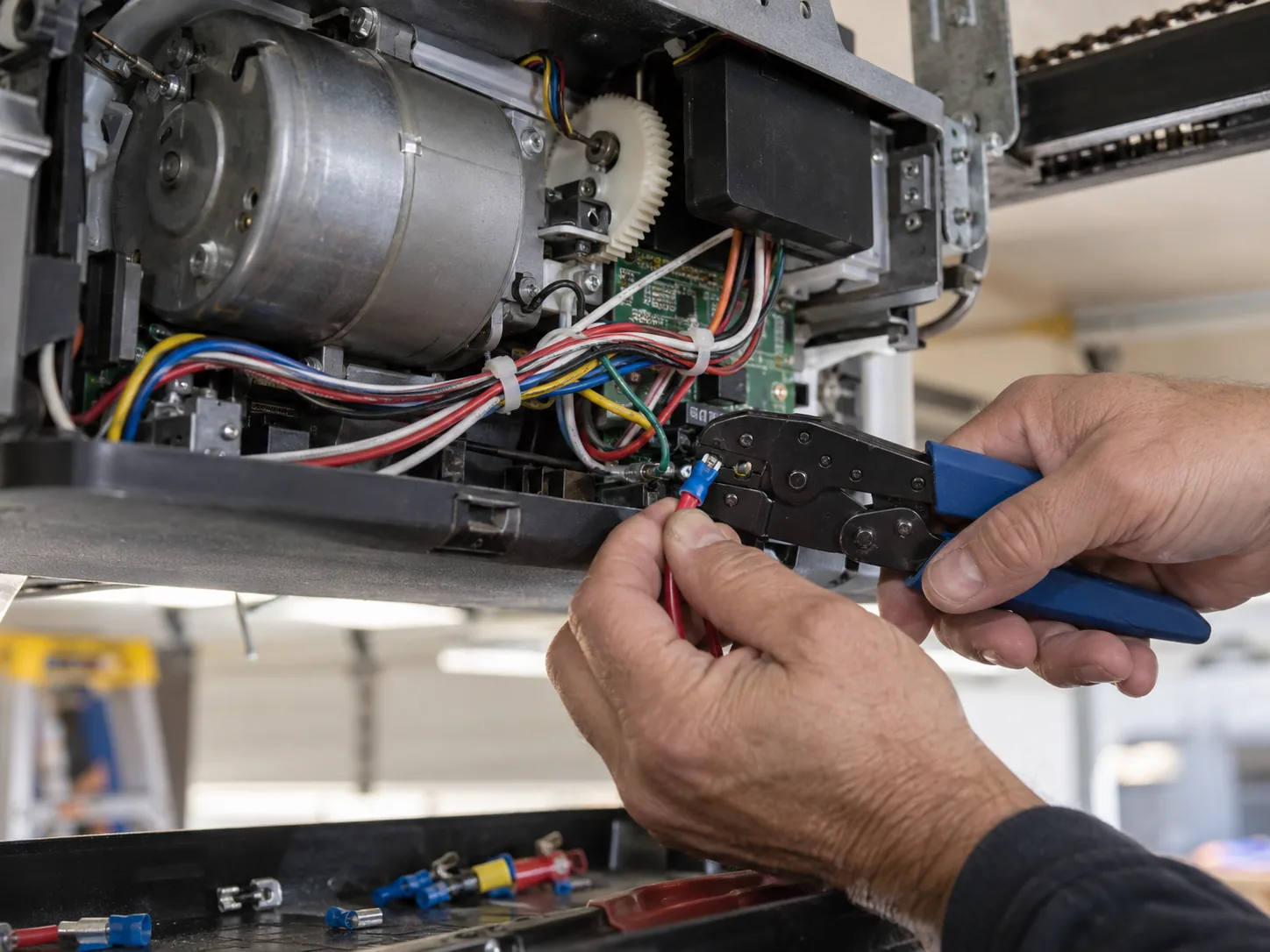
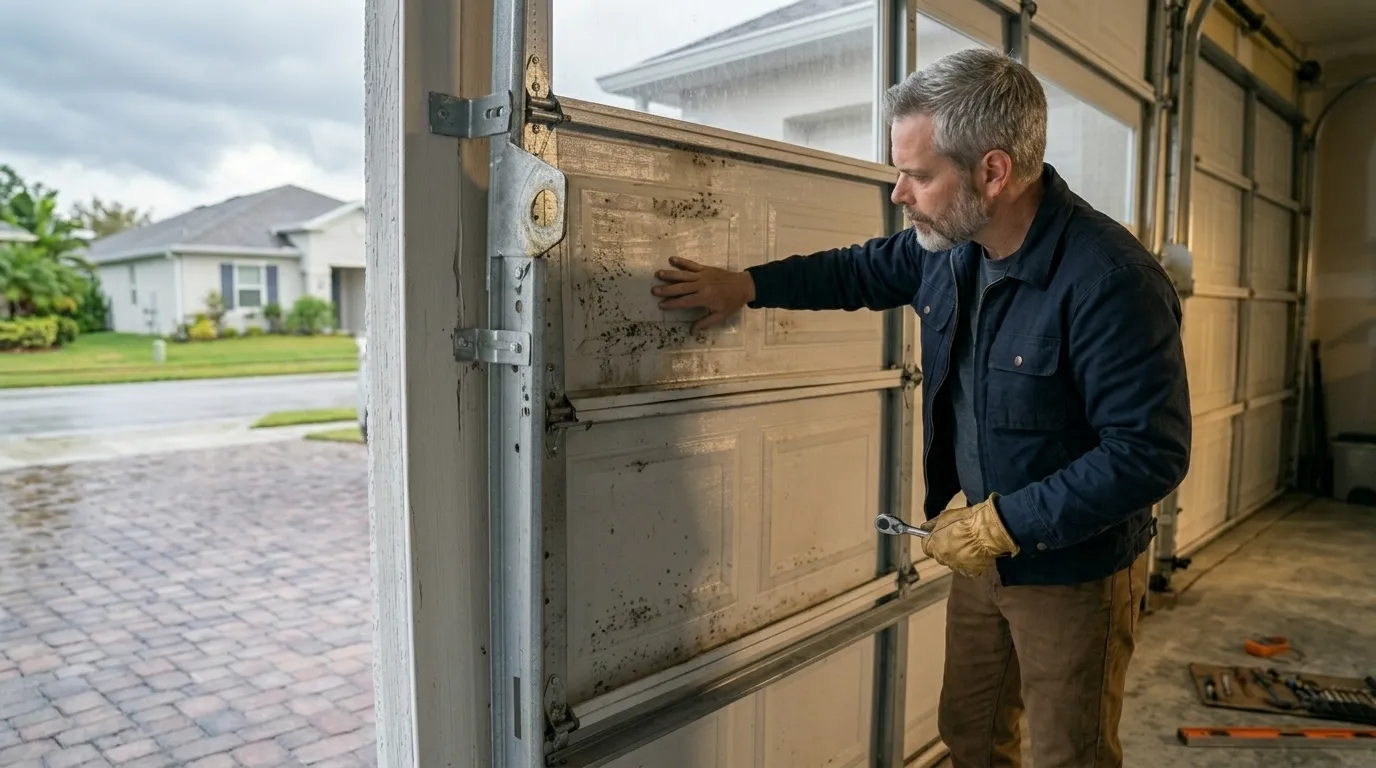
From emergency repair and installation to opener work, panel replacement, spring repair, and general garage door service, the lineup is built around the older residential systems common across Jersey City's pre-1960 housing stock.
Local housing matters
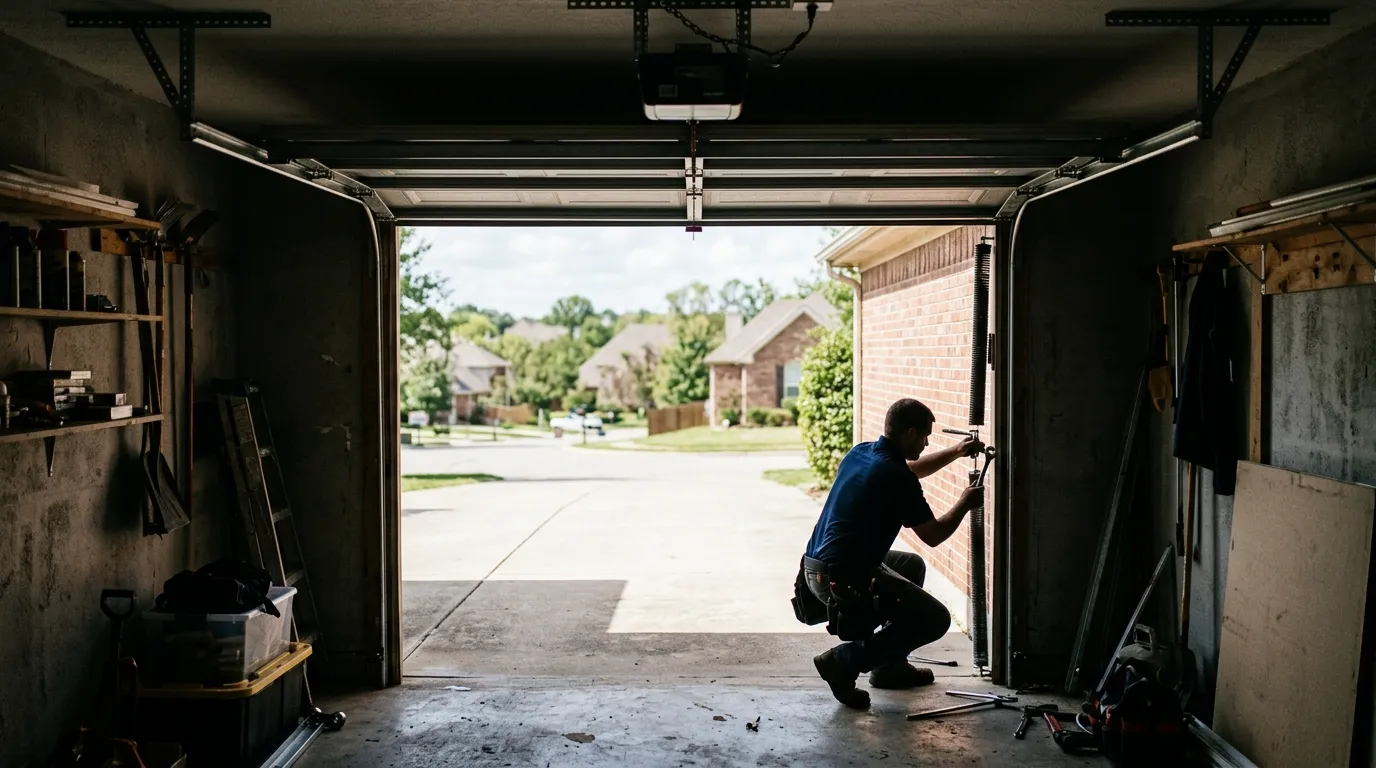
The broader service area's housing is overwhelmingly pre-1960, with many homes built between 1938 and 1958 and a median build year around 1958.
That means many garages were originally framed around older door dimensions, lighter panels, legacy tracks, brackets, spring hardware, and opener systems that may have been replaced only one component at a time.
Across the broader footprint there are approximately 1,057,409 households and 294,747 owner-occupied houses.
Older attached garages and row-house-style properties can present different repair conditions from newer residential construction.
The build era provides useful context, but the correct repair depends on the hardware actually installed today.
Pre-1960 garage door systems
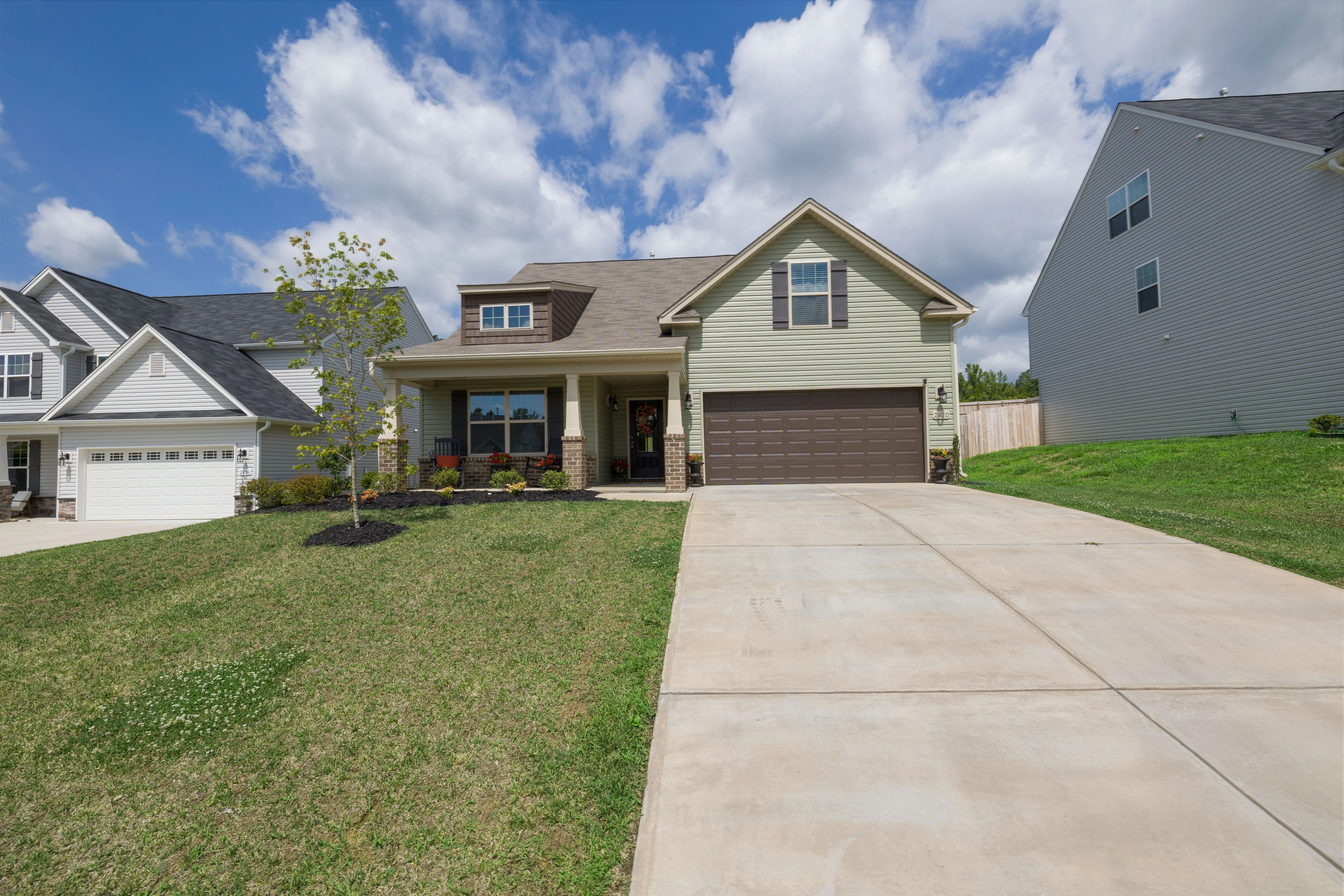
Older housing can combine legacy garage openings, tracks, spring configurations, replacement openers, newer panels, and decades of piecemeal hardware updates.
Earlier garages can have opening dimensions, framing, and clearances that differ from today's common residential standards, so the opening gets measured first.
Older spring, tube, drum, bracket, and mounting configurations may require direct measurement before replacement components are selected.
A garage may have a newer opener or replacement door while retaining older tracks, brackets, framing, or other hardware.
Older urban garages can involve tighter openings and different structural conditions than newer detached suburban garages.
Clear repair guidance
There isn't one flat repair price, because older Jersey City garage doors can use hardware that differs significantly from current standard residential systems.
Door age, spring configuration, whether the door uses one or two springs, opener condition, track condition, and parts availability can all change the scope.
Some older components may require additional sourcing rather than being standard truck stock.
We inspect the actual door and give the estimate on site instead of relying on a generic phone quote.
If repairing an aging system approaches the practical value of replacement, that comparison is discussed before more money is put into the door.
Built around Jersey City garage doors
We work regularly across Jersey City and surrounding towns on the everyday failures found in older residential garage door systems.
Common work includes springs, opener components, panels, cables, rollers, tracks, alignment, and aging hardware.
The broader service territory is a mix of older attached garages and newer construction.
One limitation worth stating plainly: custom architectural doors and specialty finishes are outside the normal service focus and may be better handled by a specialist shop.

What to expect
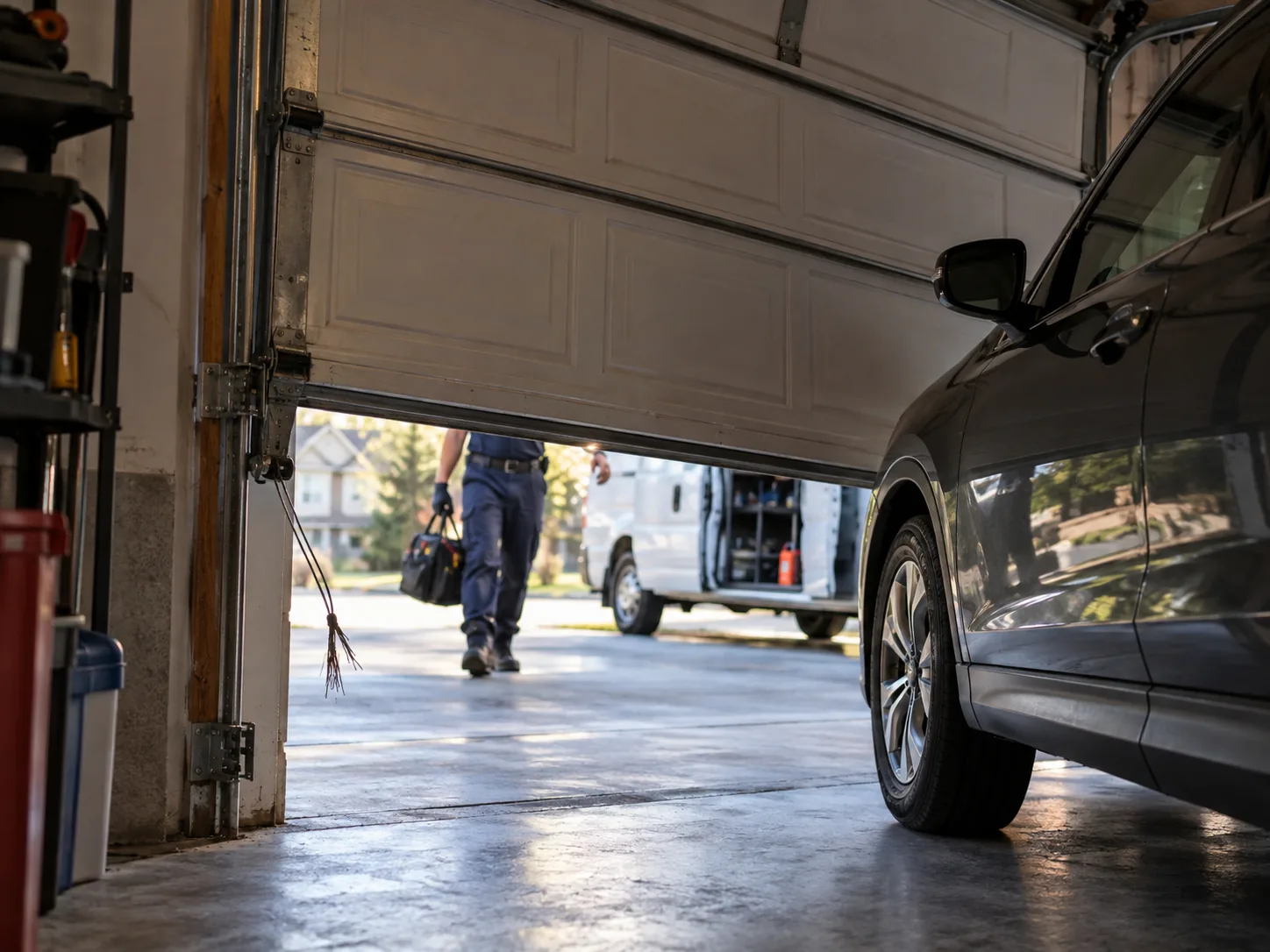
We start with what the door is actually doing, use the symptom pattern to point toward the likely cause, then inspect the actual hardware before quoting the repair.
Tell us whether the door won't open, moves crooked, made a loud bang, or the opener runs without moving the door. That symptom is the starting point.
The symptom pattern can point toward springs, cables, opener components, tracks, or another part of the lifting system before the on-site visit.
Older torsion tubes, drums, brackets, tracks, opener components, panels, and surrounding hardware are checked before the repair is quoted.
If the repair requires an uncommon or legacy component, we give a realistic sourcing timeline instead of promising an immediate fix.
Older Hardware Can Require Extra Sourcing
Some pre-1960 garage door systems use dimensions or configurations that are no longer standard retail stock, which can add a short parts wait.
Common Jersey City garage door problems
Broken springs, worn cables, aging rollers, opener failures, track alignment problems, and multiple-component wear make up much of the work across Jersey City's older housing stock. Torsion spring failure is the most common call on systems with substantial cycle wear; cables and rollers wear after decades; aging openers develop motor, drive, board, or control faults; and track alignment problems recur where older structures and garage framing have shifted — so the recommendation depends on whether the problem is isolated or part of a broader system deteriorating at once.
Garage door springs eventually reach the end of their useful cycle life after years of repeated opening and closing, and they're the most common call on older systems.
Cables can fray, loosen, slip, or fail after years of carrying repeated lifting loads, often leaving the door hanging unevenly on one side.
Older rollers can become noisy, rough, worn, or resistant after decades of travel through the track, which puts extra strain on the opener.
Older opener motors, gears, drive mechanisms, boards, controls, and sensors can eventually develop operating problems as they age.
Long-term structural movement, impact, worn rollers, or loosened mounting hardware can leave tracks out of alignment, so the fix addresses the cause.
Cold-weather garage door wear
The area has severe winter conditions, and colder periods bring more spring-related service calls. Cold weather tends to expose existing fatigue or wear rather than causing a failure on its own.
Cold-weather operation can expose weakness in a spring that is already approaching the end of its useful cycle life, which is why springs often let go in a hard freeze.
Existing cable or roller problems can become more noticeable when an older door is already operating with additional winter resistance.
Alignment problems in older structures can become more obvious when the complete system is not moving freely in the cold.
An aging opener can work harder when springs, rollers, tracks, or balance problems are already making the door difficult to move.
Repair or replace?
A broken spring, opener component, panel, cable, roller, or localized track problem does not automatically mean the complete garage door needs replacement. Replacement becomes more practical when several major systems are deteriorating together.
A targeted repair can make sense when the panels, tracks, rollers, opener, and surrounding structure remain serviceable. One failed part is no reason to replace a sound door.
An opener can remain a repair candidate when the failure is isolated and compatible parts are available.
Replacement becomes more practical when critical older components are no longer realistically available or adaptable.
When springs, cables, opener components, rollers, tracks, and panels are all deteriorating together, broader replacement can offer better long-term value.
Service areas
Questions
Yes. We cover a radius that includes Hoboken, Bayonne, Kearny, Union City, Secaucus, Harrison and towns further out like Elizabeth and Belleville. If you're within roughly ten miles of Jersey City, call and we'll tell you straight whether it's in range for the same-visit service.
This area sits in a severe cold climate band, and torsion springs lose strength faster in sustained cold. A spring that's been fine for years can go without notice once temperatures drop hard for a stretch - it's the single most common call we get from December through February.
Often the hardware is a size or configuration that isn't standard retail stock anymore, since a lot of Jersey City's housing dates to the 1938-1958 range. We check the actual torsion tube, drum and bracket setup on site before quoting, rather than assuming a modern part will drop in.
Sometimes, yes. If the spring, cables and opener are all original and all near failure at once, patching one piece just buys a few months before the next breaks. We'll tell you when replacement makes more sense than another repair instead of running up a bill on a door that's done.
Ready when you are
Tell us what the door is doing and we'll help you figure out whether you're dealing with a spring, opener, panel, roller, track, emergency problem, aging hardware, or a system that's reached the point where replacement makes more sense.