
Later added retrofit
A house from that era wasn't built with an automatic opener in mind. It got added later, sometimes twice, on brackets and wiring that don't match what a modern logic board expects.
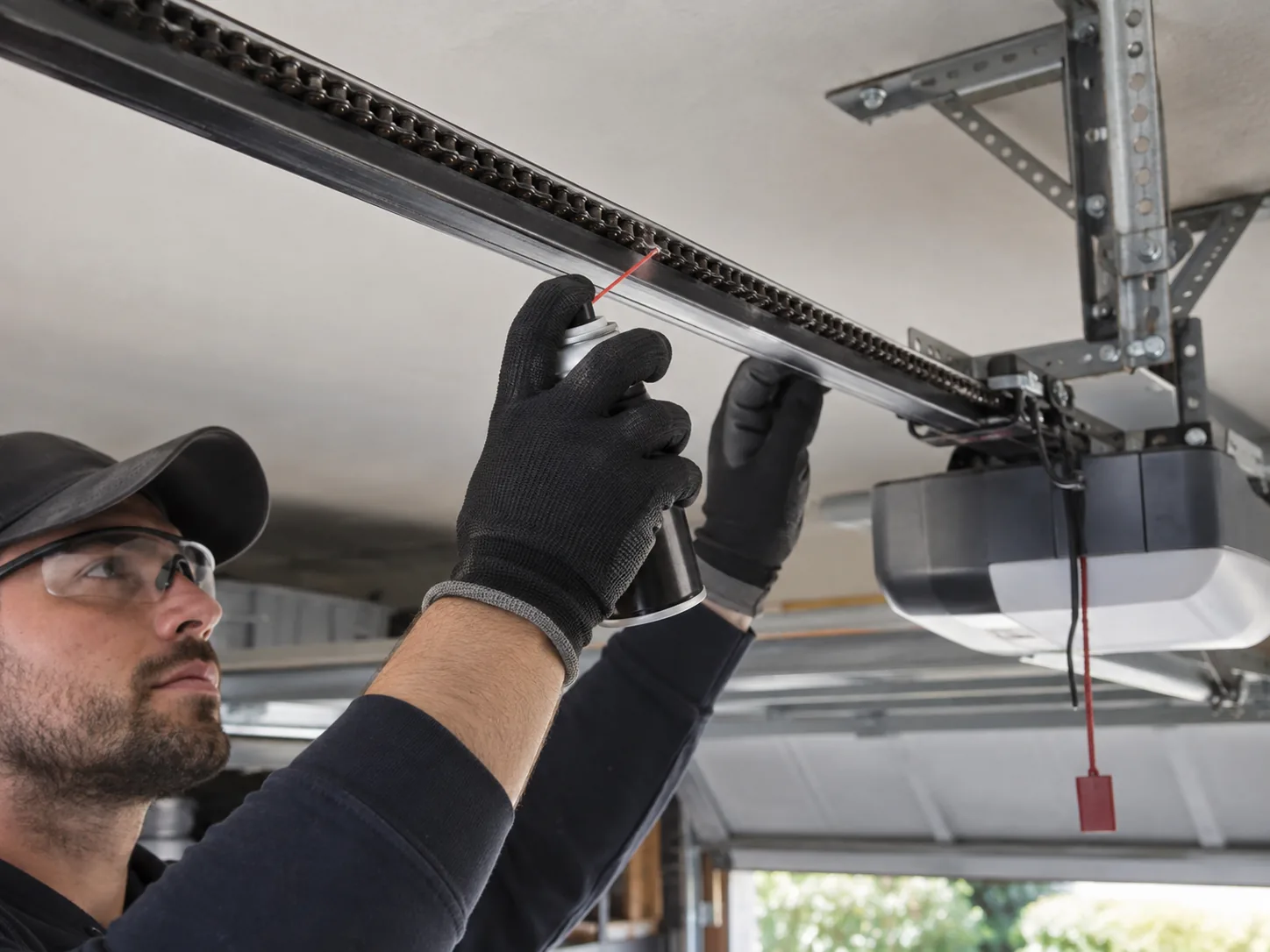
Bayonne, Jersey City
Opener repair for Bayonne's 1950s housing stock, priced against a median household income of $81,285. Serviced from Jersey City, 4 miles away.
Watch-outs
Bayonne's houses run older than the wider service area - the median year built here is 1955, and that shows up on the opener side more than anywhere else.
A house from that era wasn't built with an automatic opener in mind. It got added later, sometimes twice, on brackets and wiring that don't match what a modern logic board expects.
We see openers bolted to headers that have shifted with the house, drive gears stripped from years of fighting a door that's slightly out of square, and wall buttons wired straight into circuits that have no business carrying a garage door opener's load. The failure almost never looks like 'the opener is broken.
It looks like a door that opens halfway, reverses for no reason, or runs the motor without moving the door at all - and each of those points to a different part, not a blanket swap. The safety sensors are the other common trip point.
Retrofit installs on older garages often have the photo-eye brackets mounted wherever there was wood to screw into, not where they'd hold alignment. A bumped bracket from a bike or a trash can knocks the beam off by fractions of an inch, and the opener refuses to close. That's a five-minute fix once we're looking at it, and a genuine mystery if you're not.
Pricing
The median household income in Bayonne is $81,285, noticeably below the $118,835 median across the wider service area we cover from Jersey City. That gap matters for the repair-or-replace call.
On a lot of these opener jobs, the honest advice is to fix what's there rather than push a full replacement, especially when the door itself - the panels, the track, the springs - is still sound.
A new logic board or a gear-and-sprocket kit costs a fraction of a full unit swap, and on a house from the 1950s the opener is very often the only tired part. Where replacement makes more sense is when the opener itself predates safety-reversal sensors required by federal standards, or when the motor has burned out on a unit that's already been repaired once.
We'll tell you straight which category your job falls into before we touch anything. We don't quote a flat number for every call here - the diagnosis comes first, and the price follows what we actually find, not a guess made from the driveway.
Our process
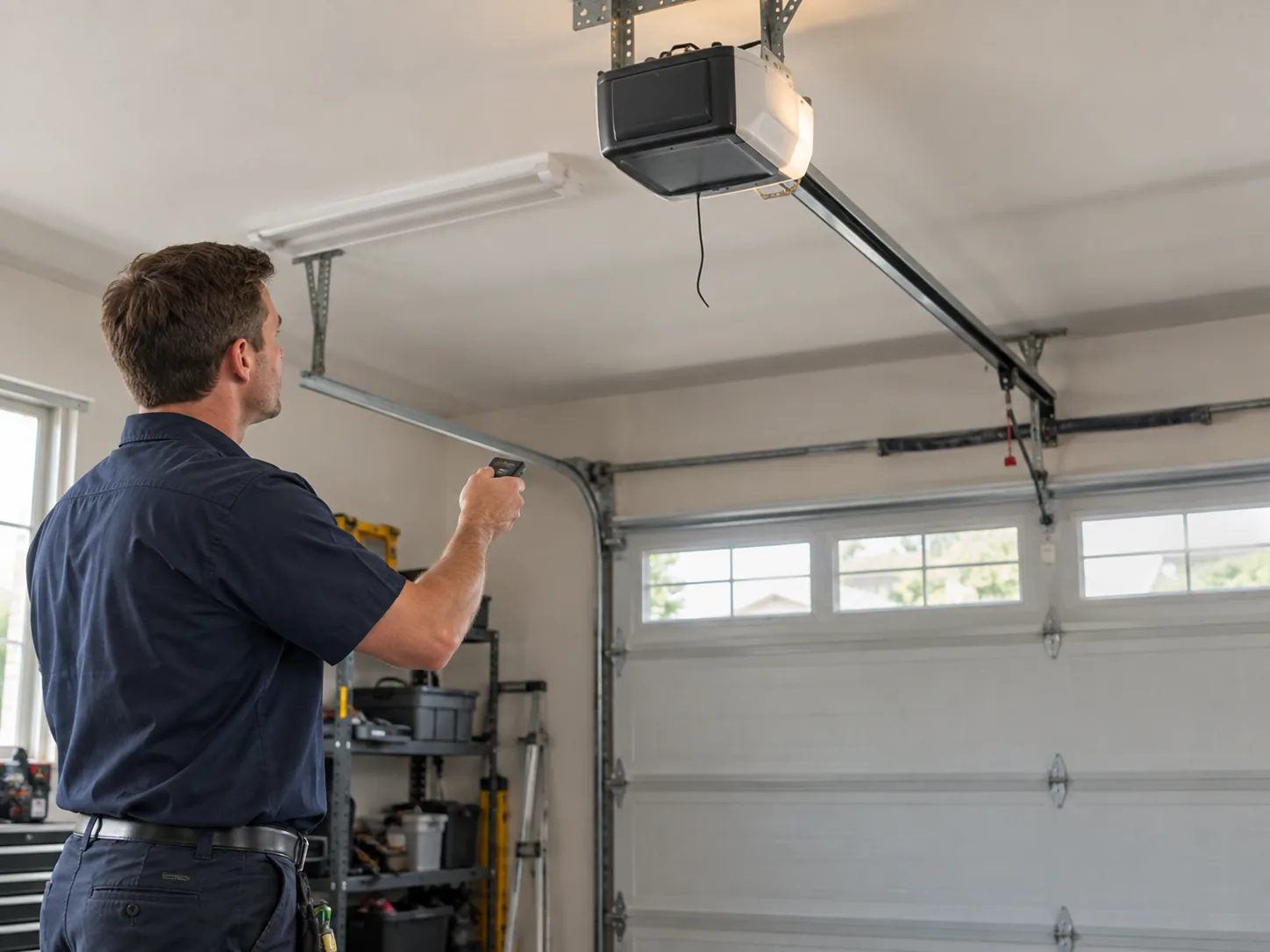
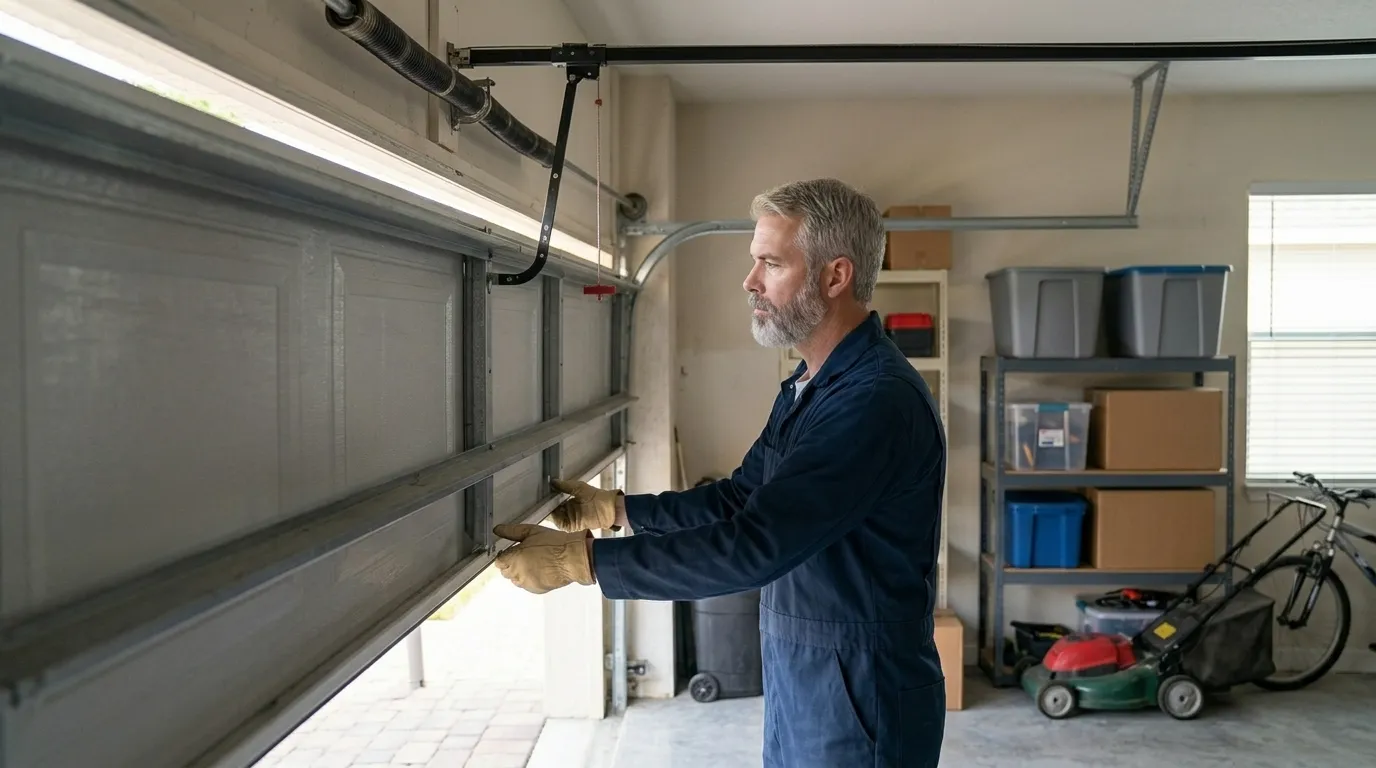
We start by running the opener through its full cycle and watching what it does, not just listening to what you describe on the phone.
Half the diagnosis is watching where the motion actually stops or reverses. From there we check the logic board for burnt contacts, test the travel and force limits, and pull the safety sensor alignment before we ever touch the motor itself, because a misaligned sensor mimics a dozen other faults.
If the gear and sprocket assembly has stripped - common on units that have been straining against a door that's slightly heavy on one side - we replace that piece rather than the whole head unit.
If the circuit board is the failure, we replace the board and test the wall control and remotes against it before we call the job done. We don't leave a job half-tested. Every repair gets run through a handful of open-close cycles with the safety reverse tested against a real obstruction before we pack up.
Job timing
We run this call from Jersey City, about 4 miles out, so there's a drive built into every visit - we're not quoting a same-day window we can't back up. Once we're on site, most single-opener repairs - board swap, gear kit, sensor realignment - run under an hour of hands-on time. Jobs that turn out to need a full opener replacement run longer, since we're also checking the door balance and travel limits fresh rather than just bolting a new head onto old settings.
The honest limitation: if the fault turns out to be a legacy circuit board that isn't something we keep stocked on the truck, that part can take a few days to source. We'd rather tell you that up front than promise a same-visit fix and come back empty-handed.
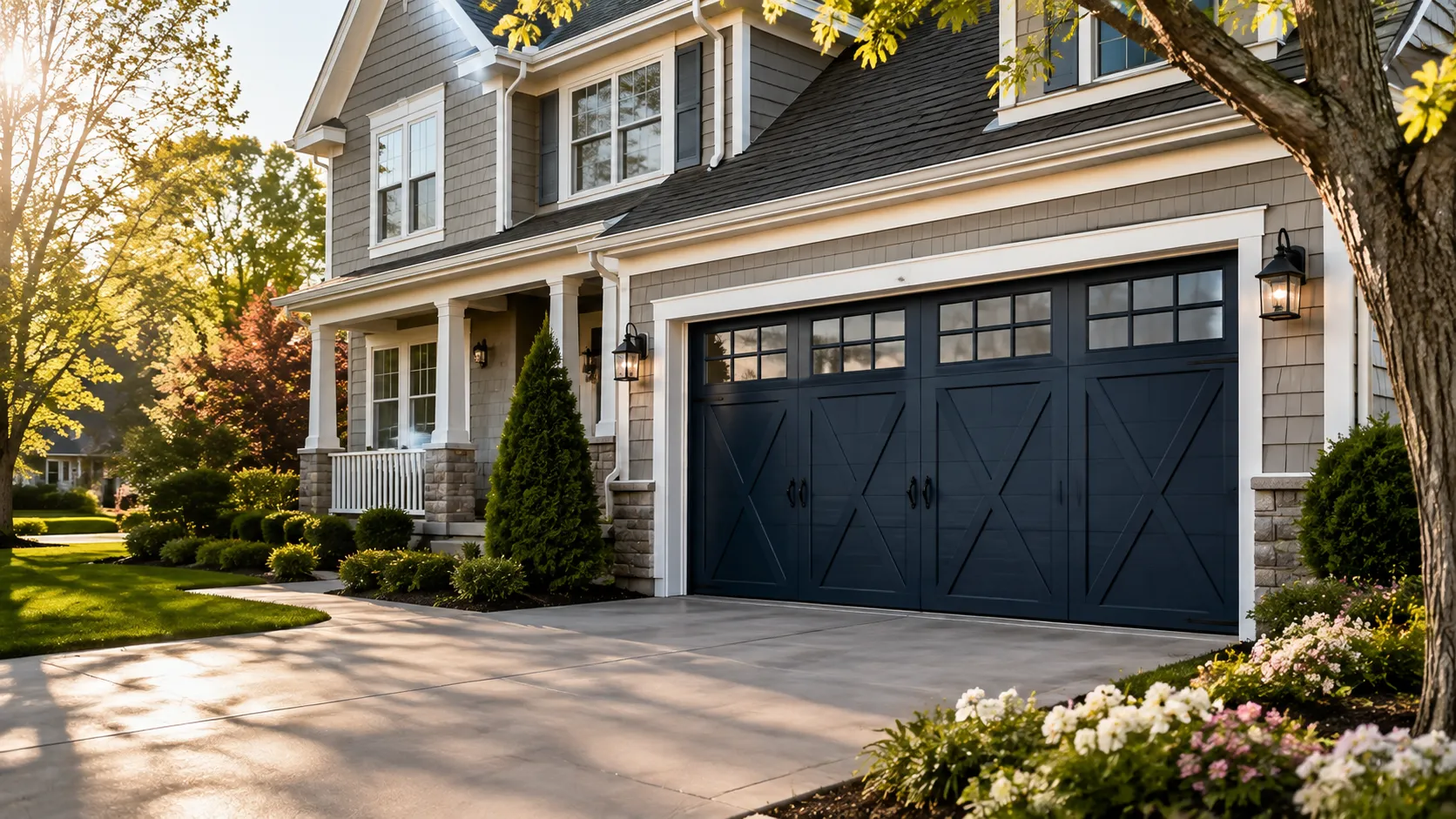
On the truck
Because Bayonne's housing stock skews older - most of it built between 1938 and 1996, with the bulk of it going up well before 1960 - we carry the parts that fail on openers from that era, not just the newest models.
That means gear-and-sprocket kits, drive belts, capacitors, and logic boards for the chain and belt-drive units most commonly retrofitted onto pre-1960 garages, along with photo-eye sensor pairs and wall controls that match older mounting patterns.
What we don't carry on the truck is every discontinued board from a defunct opener brand. Some of those units are old enough that the manufacturer stopped making parts for them years ago, and in that case replacement is the real answer, not a repair we'd have to special-order anyway.
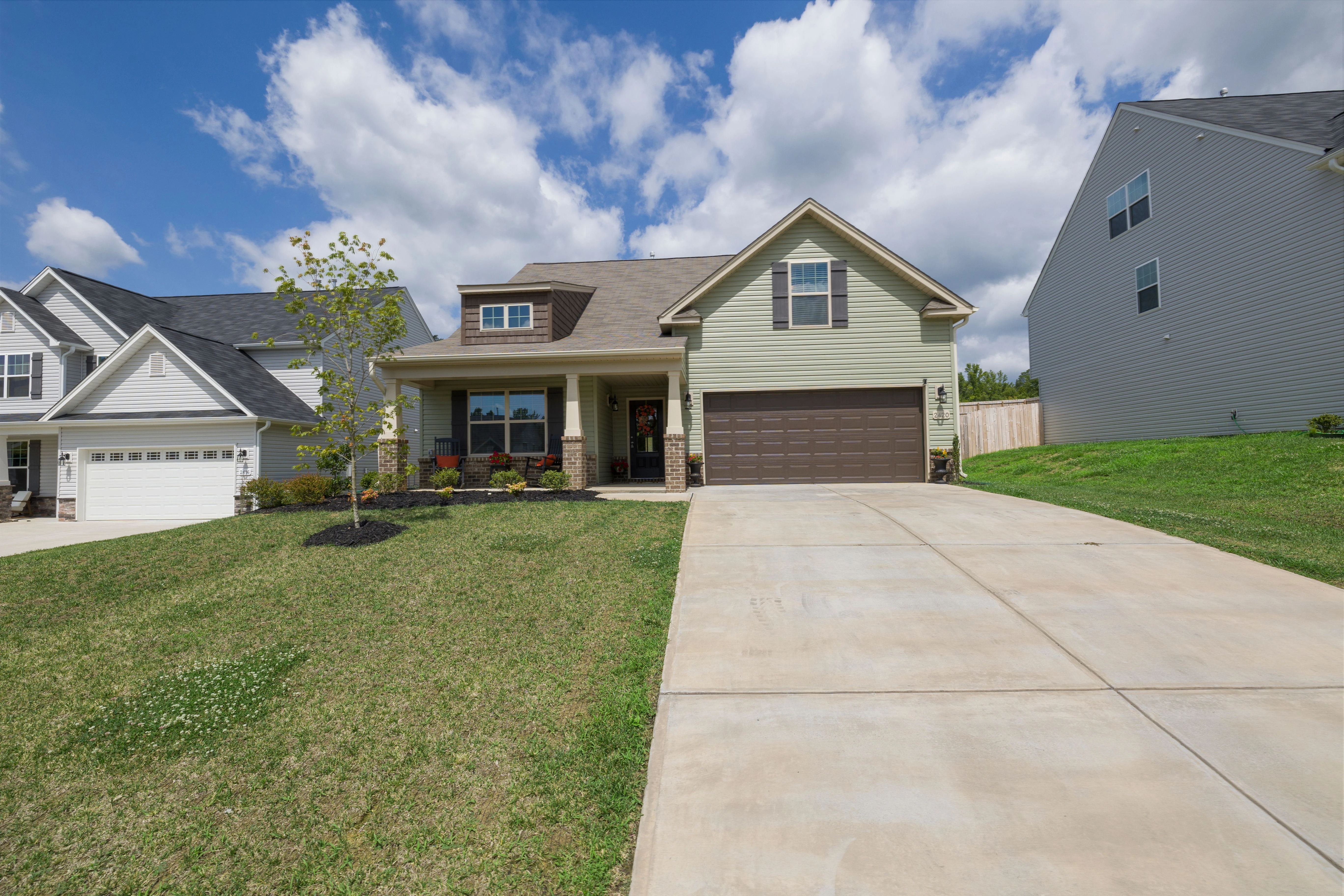
Local causes
This falls under a cold, severe winter climate band, and that's part of why openers here fail more on the motor and sensor side than the door side. Cold makes lubricant in the drive gear stiffen, which raises the load on the motor every time it starts a cycle in January. Combined with a median build year of 1955, a lot of these openers are running through a winter cycle on hardware that was never rated for the load a modern opener assumes it's driving.
Add in the retrofit wiring problem - houses built before openers existed getting them added decades later - and you get a town where the fault is rarely the opener unit itself failing outright. It's usually one weak link in an older system finally giving out.
Questions
If the unit predates modern safety-reversal sensors, or the motor has already been rebuilt once, replacement usually makes more sense than another repair. If the opener is newer than that and the fault is a board, gear kit, or sensor, repair is almost always the cheaper and faster route. We'll tell you which one applies once we've run the cycle test.
Cold stiffens the grease in the drive gear and raises the load on the motor every time it starts. On an older opener already carrying more strain than it was built for, that extra load in a cold, severe winter is often what pushes a weak gear or board over the edge.
We stock the common failure parts for chain and belt-drive units common on retrofit installs in older houses - gear kits, boards, sensor pairs. Some discontinued brands don't have parts made anymore, and in that case we'll tell you replacement is the real fix rather than order a part that doesn't exist.
Explore more
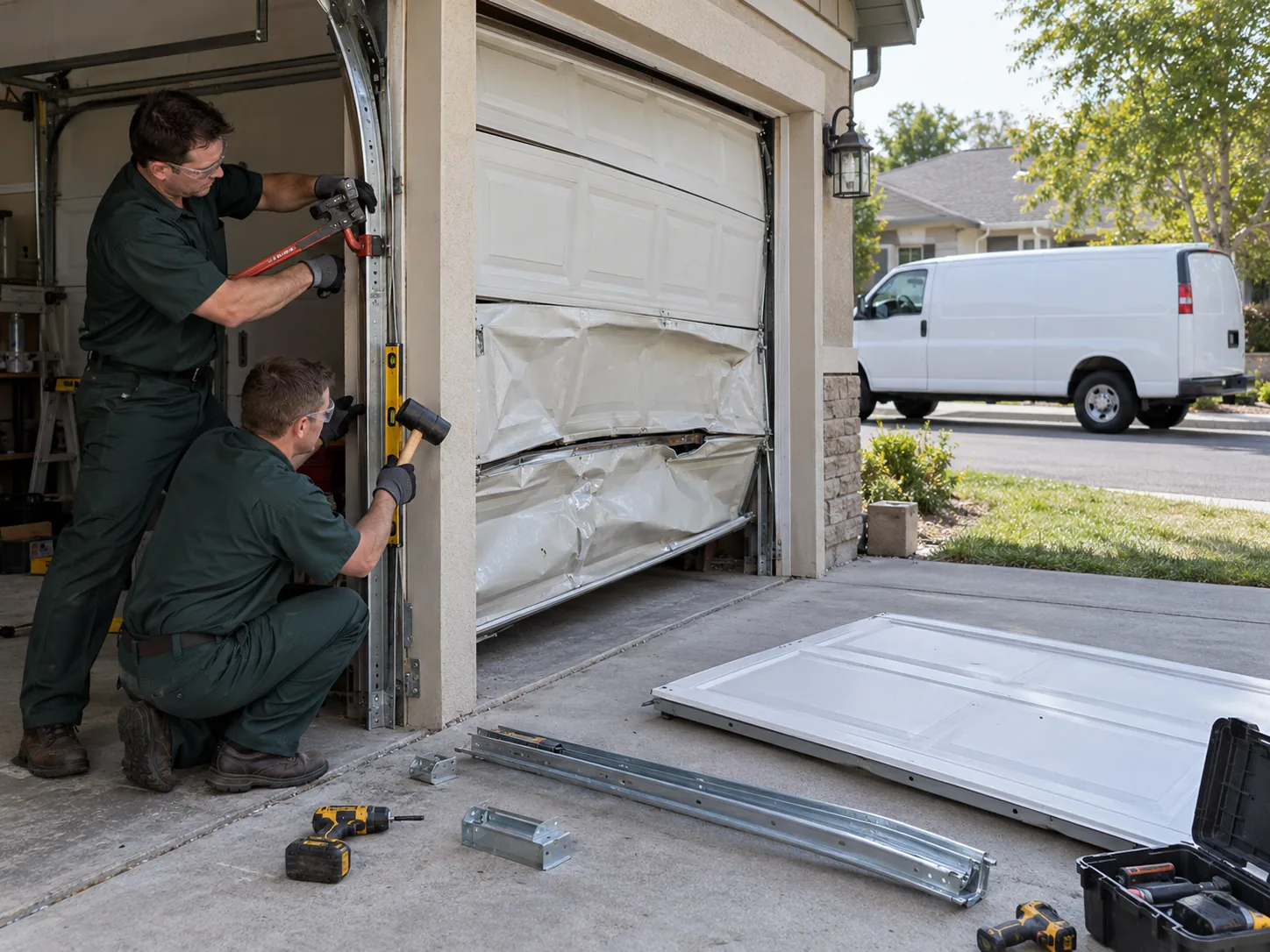
Ready when you are
Jersey City Garage Door Pros repairs and installs garage doors, springs and openers in Jersey City, NJ and the surrounding area.