

Belleville, Jersey City NJ
Garage Door Repair for Belleville Homes
Garage door repair and replacement for Belleville, NJ homes, most built around 1949, from a crew that drives out 8 miles from Jersey City.
Local detail
Common Jobs Here
Belleville's housing stock centers on a median build year of 1949, which is earlier than a lot of what we see closer to Jersey City. That means more of the calls we take here are for original torsion springs that have simply outlived their coil life, worn rollers on tracks that were never upgraded, and openers that were bolted on decades after the door itself went up. We also see a fair number of panel sections that have rusted at the bottom corners, since older single-layer steel doors don't handle repeated freeze-thaw cycles the way newer insulated doors do.
On the newer end of town, jobs run more toward opener circuit boards and photo-eye sensors than toward the door and spring hardware itself. We don't stock every obsolete spring size on the truck, so a same-day fix on a door that's been in place since the Truman administration sometimes means a return trip once the right part is in hand. That's not a knock on the job, it's just the reality of hardware that predates the parts aisle as we know it now.
The area
What Was Built Here
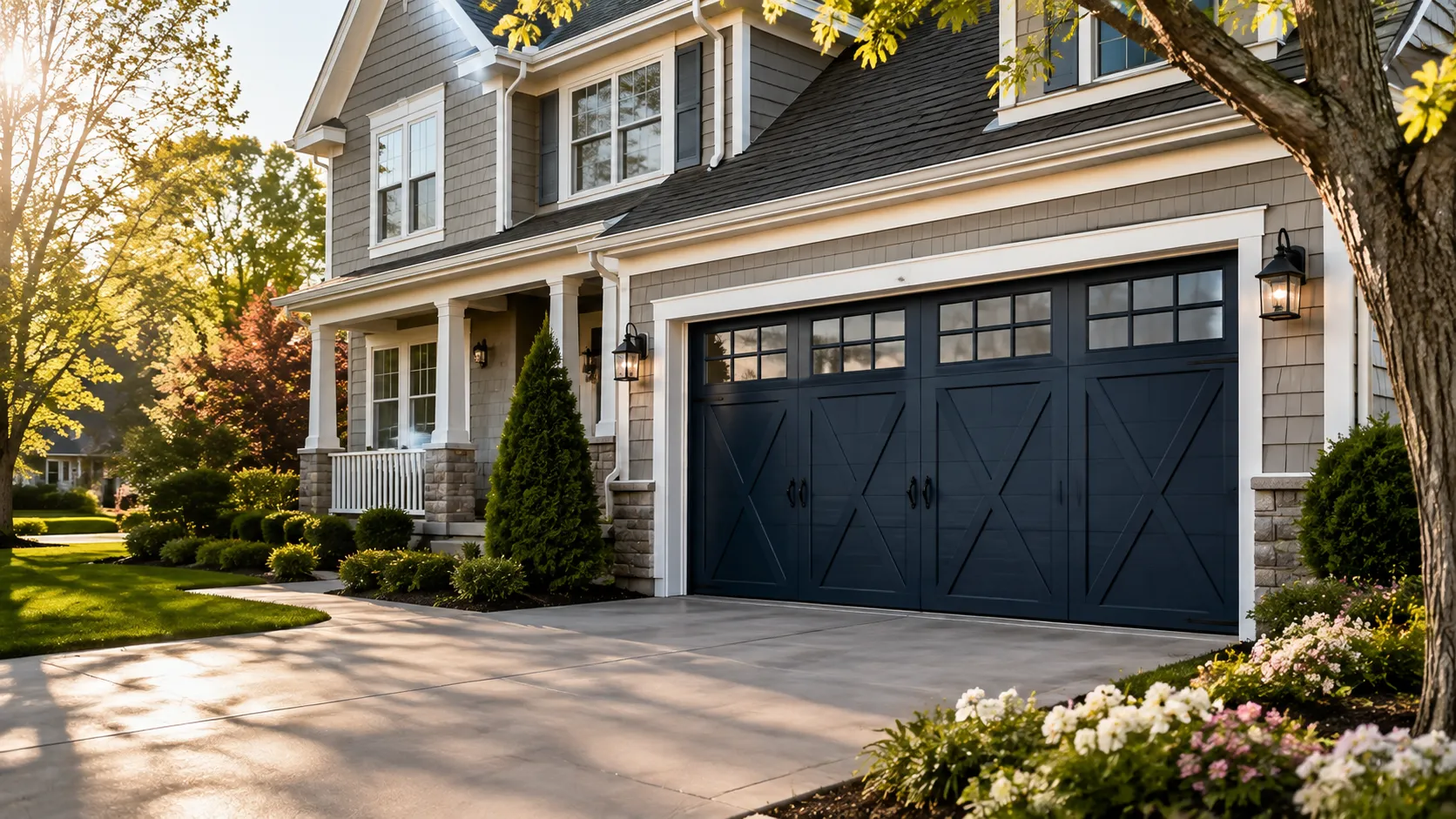
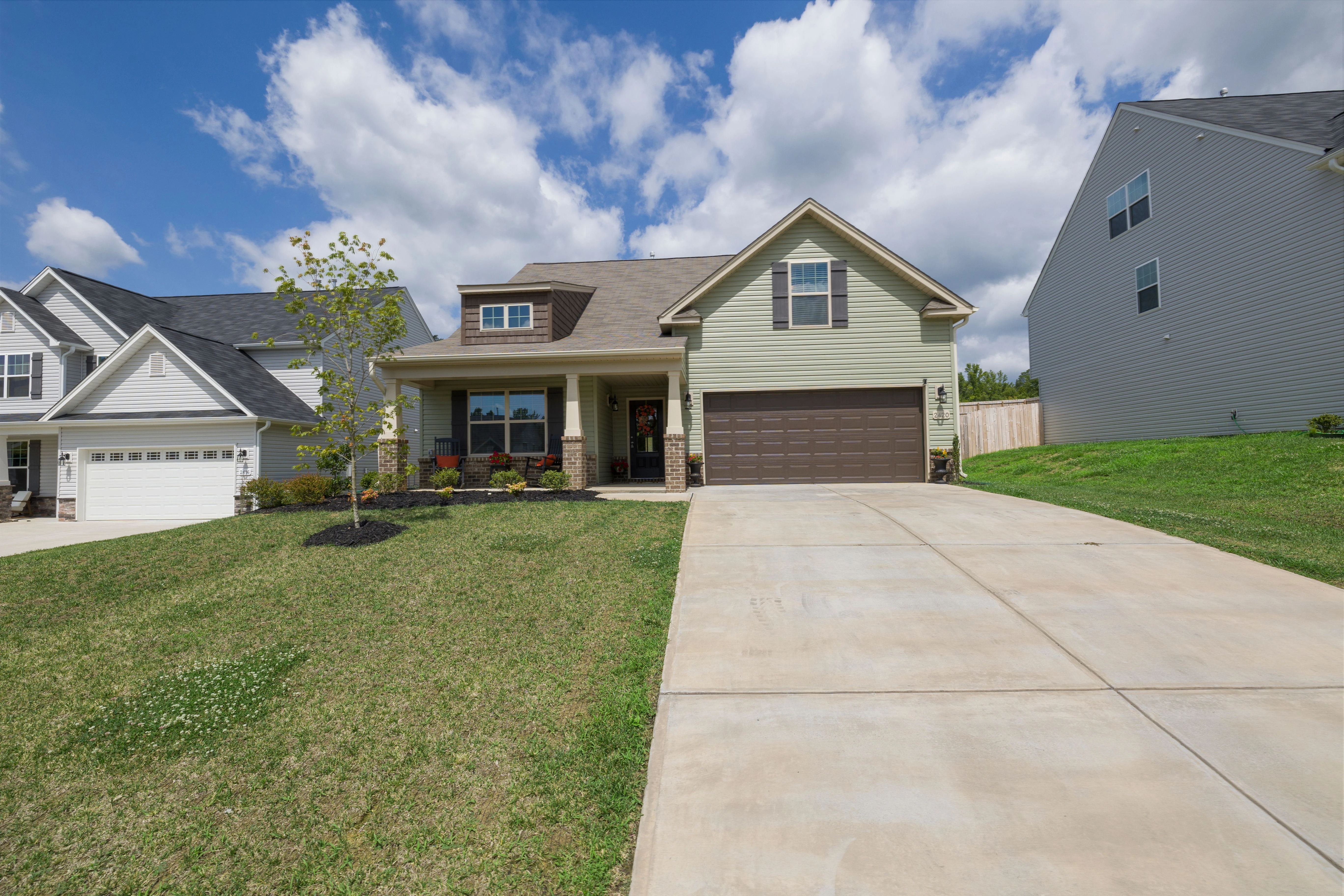
A 1949 median build year puts a big share of Belleville's garages up before steel sectional doors were the standard choice, back when a lot of what went in was wood panel construction on track hardware sized differently than what suppliers carry off the shelf today. Across the wider service area the median build year runs to 1958 and the housing spans 1938 to 1996, so Belleville sits on the older side of that range rather than the middle.
With roughly 14,176 households in town, there's a real concentration of these older garages, not a scattered handful. Income here runs a median of $90,249, noticeably below the $118,835 median across the full service area, which matters when we're talking through repair versus replace: a full tear-out and new insulated door is often the better long-term move, but it's a bigger number up front, and we try to be straight about that trade-off rather than push it.

What we find
Older vs Newer Streets
Not every block in Belleville dates to the same decade, and it shows in the hardware. On the older streets, closer to that 1949 median, you'll still find doors on extension springs mounted overhead with exposed pulleys, a setup that's been out of common use for new installs for years. On the newer streets, or wherever a door's been swapped out more recently, torsion springs on a header-mounted shaft are the norm, along with openers that have rolling-code remotes and sensors as standard.
The practical difference is troubleshooting time: an older extension-spring setup takes longer to diagnose safely because the failure points aren't where a newer system would put them, and the replacement parts aren't always the ones on the truck. If you don't know which kind you have, check whether the springs run alongside the horizontal track above the door (extension) or wrap around a shaft centered over the door (torsion) - that one look tells us most of what we need before we even head out.
How we work
What That Means for Doors
The service area falls in a cold-severe climate band, and Belleville's older doors feel that more than newer ones do. Uninsulated steel or wood panels built decades ago don't stop the cold the way a foam-core door does, and the metal itself contracts enough in a hard freeze to bind up rollers and misalign tracks that were already showing wear.
If your door is original to a house built around 1949, the spring has almost certainly been re-tensioned or replaced at least once already, and the cable and pulley hardware on an extension-spring system is worth a look every winter, not just when something breaks. We'll tell you plainly when a repair on an old system is throwing good money after bad - past a certain point, replacing the whole door with a modern insulated one ends up cheaper than chasing parts for hardware nobody makes any more.

Service areas
Other areas we cover near Belleville

Questions
Common questions
Why does my garage door bind up more in winter than it used to?
If your door and hardware date close to the neighborhood's 1949 median build year, the steel track and panel have had decades of freeze-thaw cycling. In a cold-severe climate, that contraction and expansion loosens track bolts and stiffens old lubricant, which is why binding shows up worse as the temperature drops.
Do you have a shop in Belleville?
No, we run out of Jersey City, about 8 miles away, and drive out for jobs in Belleville. We don't keep a local depot here, so scheduling depends on the route that day rather than a walk-in counter.
Is it worth repairing a door from the 1940s or 50s?
Sometimes, sometimes not. If the panels are solid and it's just a spring or roller, repair usually makes sense. If the door is original wood or uninsulated steel with rusted-through spots, a modern insulated door often costs less over time than repeated part hunts for old hardware.
What kind of spring system do older Belleville garages usually have?
A lot of the older stock, closer to that 1949 median build year, still runs extension springs mounted along the horizontal track above the door rather than a torsion spring on a shaft. It's worth checking which one you have before assuming parts availability.
Ready when you are
Need a garage door sorted in Jersey City?
Jersey City Garage Door Pros repairs and installs garage doors, springs and openers in Jersey City, NJ and the surrounding area.