
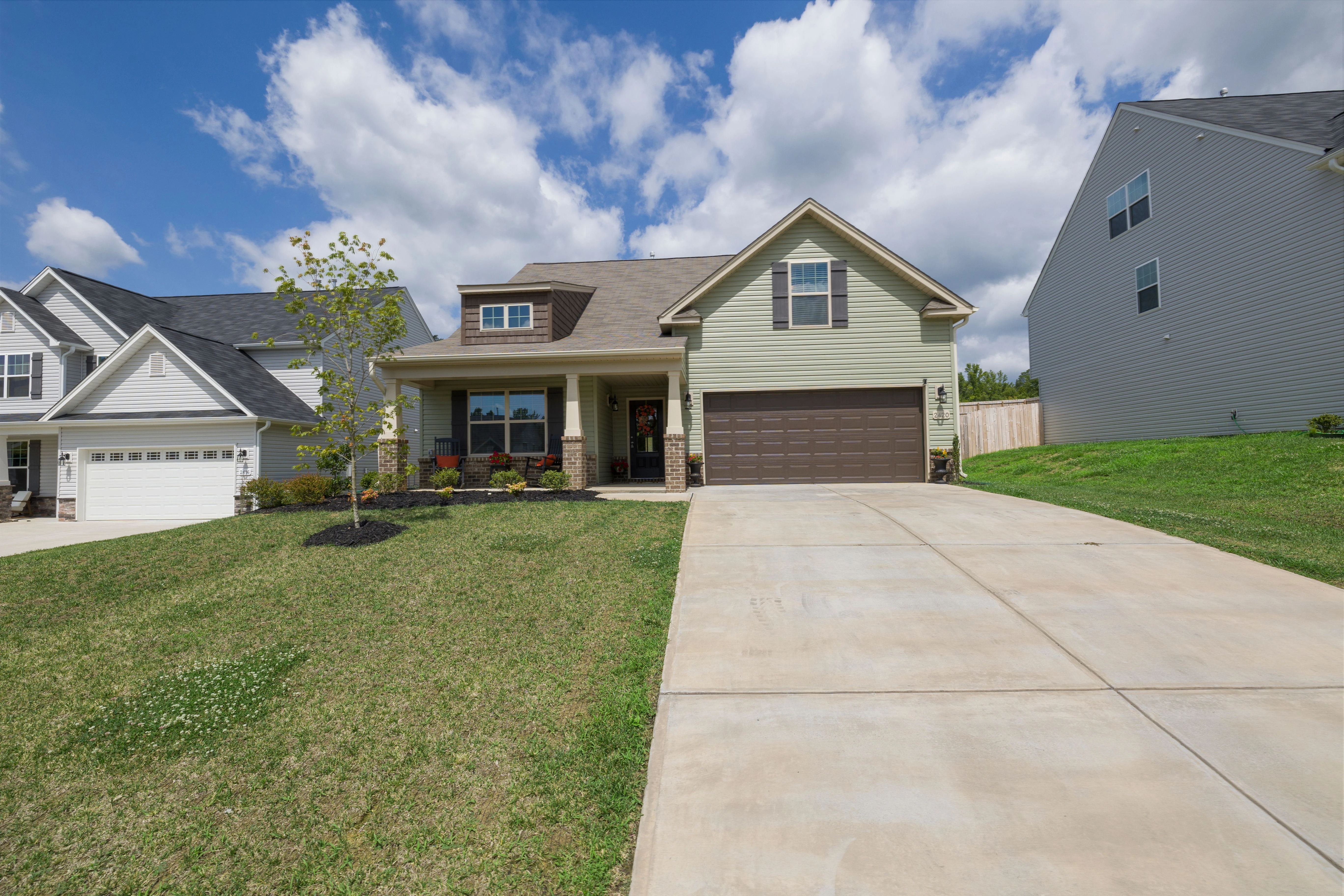
Cedar Grove, Jersey City NJ
Garage Door Service for Cedar Grove Homeowners
Garage door repair and install for Cedar Grove, NJ homes built around 1958, matched to the area's cold-climate hardware needs. We travel in from Jersey City, 13 miles out.
Local detail
Common Jobs Here
Cedar Grove sits about 13 miles out from our Jersey City base, and the calls we get from this side of the coverage area skew toward torsion spring replacement and opener upgrades rather than emergency panel damage. With a median household income of $153,038 here, well above the $118,835 median across our full service area, we see more owners choosing to replace an aging opener outright instead of nursing a dying one along, and more requests for insulated steel doors over the bare single-layer panels that were standard when these houses went up. At 4,942 households, Cedar Grove is a smaller pocket than most of what we cover, which means fewer total calls but a narrower band of door ages and styles to plan parts for.
We still see plenty of spring failures and broken rollers - those don't care what a house is worth - but the follow-up work (openers with battery backup, better weatherstripping) shows up here more than in lower-income pockets of the territory. One limit worth naming up front: we don't stock every high-end European opener brand on the truck, so a specific import model might mean a short parts wait.
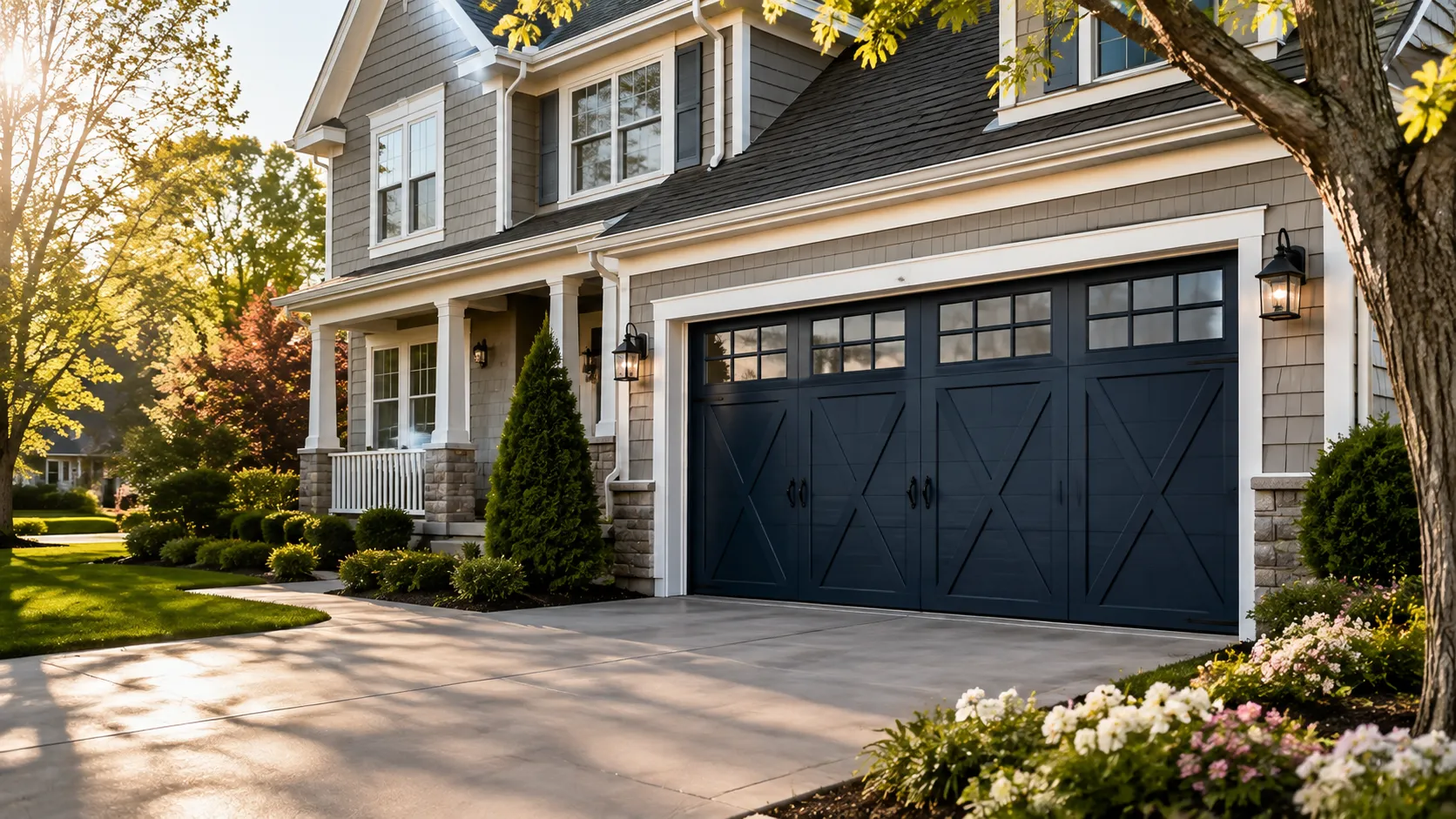

The area
What Was Built Here
The typical Cedar Grove house dates to right around 1958, which lines up with the median build year across the whole service area (1938 to 1996, median 1958). That means the garage on a lot of these houses was framed for a single-layer wood or early steel door on hardware nobody has made in decades - side-mounted torsion springs, small-diameter track, and openers that were bolted on later, sometimes twice, as the originals wore out.
A house from this era that hasn't been touched since usually has at least one mismatched replacement part on it: a spring sized for a different door weight, or a track bent slightly out of true from a DIY fix years back. That's not a knock on the house, it's just what forty-plus years of small repairs does to a garage door system that was never designed to be swapped piece by piece.

What we find
Older vs Newer Streets
Because the build years across this part of our coverage area cluster so tightly around 1958, Cedar Grove doesn't split cleanly into an obvious old-street/new-street divide the way some towns do. Most of what we see falls into the same mid-century window, which is actually useful for us: it means we can generally guess the hardware generation before we pull into the driveway.
Where you do get variation is in what's been replaced and when - a door swapped in the 1990s with a wider track sits right next to an original that's never had a torsion spring changed. The tell isn't the street, it's the door itself: original hardware runs narrower, uses smaller-gauge springs, and often still has the older style stop bracket that newer doors don't need.
How we work
What That Means for Doors
This is a cold-climate service area, which matters more for houses built when insulation standards were lower. A single-layer door from the 1958 era has none of the foam-core insulation that's standard now, so cold makes the steel contract and the seals shrink, which is when you hear the door go stiff or start binding in the track on the coldest mornings. Springs on original or early-replacement hardware also lose tension faster under repeated cold cycling than a modern coil rated for it.
If your door is still running hardware from that build era, expect the failure points to be the spring first, then the bottom seal, then the opener's force settings drifting as the door gets heavier to lift. Not every older door needs full replacement - a lot of them just need the spring resized correctly for the door's actual weight, which is a repair, not a remodel. We'll tell you honestly which one you're looking at before we start.

Service areas
Other areas we cover near Cedar Grove

Questions
Common questions
Do you have a location in Cedar Grove?
No. We run out of Jersey City and travel to Cedar Grove for jobs, about 13 miles each way. We don't have a local depot here, so we schedule the route rather than dropping in same-hour.
Why does my 1958-era garage door keep sticking in winter?
Doors from that build era were made before foam-core insulation was standard, so the steel and seals contract more in cold weather. Combined with a torsion spring that's lost tension over decades of cycling, that's usually why the door binds or feels heavy on cold mornings.
Is it worth replacing an original door instead of repairing it?
Depends on the door. If the panels and track are sound and it's just a spring or seal issue, repair is the cheaper and faster call. If the steel is dented or the track is bent out of true, replacement usually makes more sense than chasing repeated fixes.
Ready when you are
Need a garage door sorted in Jersey City?
Jersey City Garage Door Pros repairs and installs garage doors, springs and openers in Jersey City, NJ and the surrounding area.