
Guide
Wind and the wide garage door problem in Jersey City
Wide double doors in Jersey City's pre-1960 housing stock take wind differently than single doors. Here's what that means for cost, damage, and repair choices.
Local detail
What You Pay
There's no flat number for this because it depends on what's actually wrong once the wind has had its way with the door. A bent track or a popped roller on a double door costs less than a bowed panel or a torn-loose bottom bracket, and a door that's been flexing for years might need new hinges even if the panels look fine. What changes the math here is the housing stock: a lot of Jersey City garages were built for a single narrower door and widened later, so when something fails, the fix sometimes has to include hardware the original opening never had - reinforced struts, better end brackets, a heavier torsion spring rated for the wider span. That's not a standard repair line item, so we look at the door before we quote anything. With a median household income of $118,835 across the service area, plenty of owners here choose to replace a wide door outright once it starts showing wind fatigue rather than keep patching a track that's slowly walking out of alignment. That's a reasonable call once you've replaced the same bracket twice.
One limit worth saying plainly: if the opening itself was never engineered for a double-wide door, no amount of hardware upgrades makes it behave like one that was. At some point the fix is a new frame, not a stronger door.
The area
The Situation
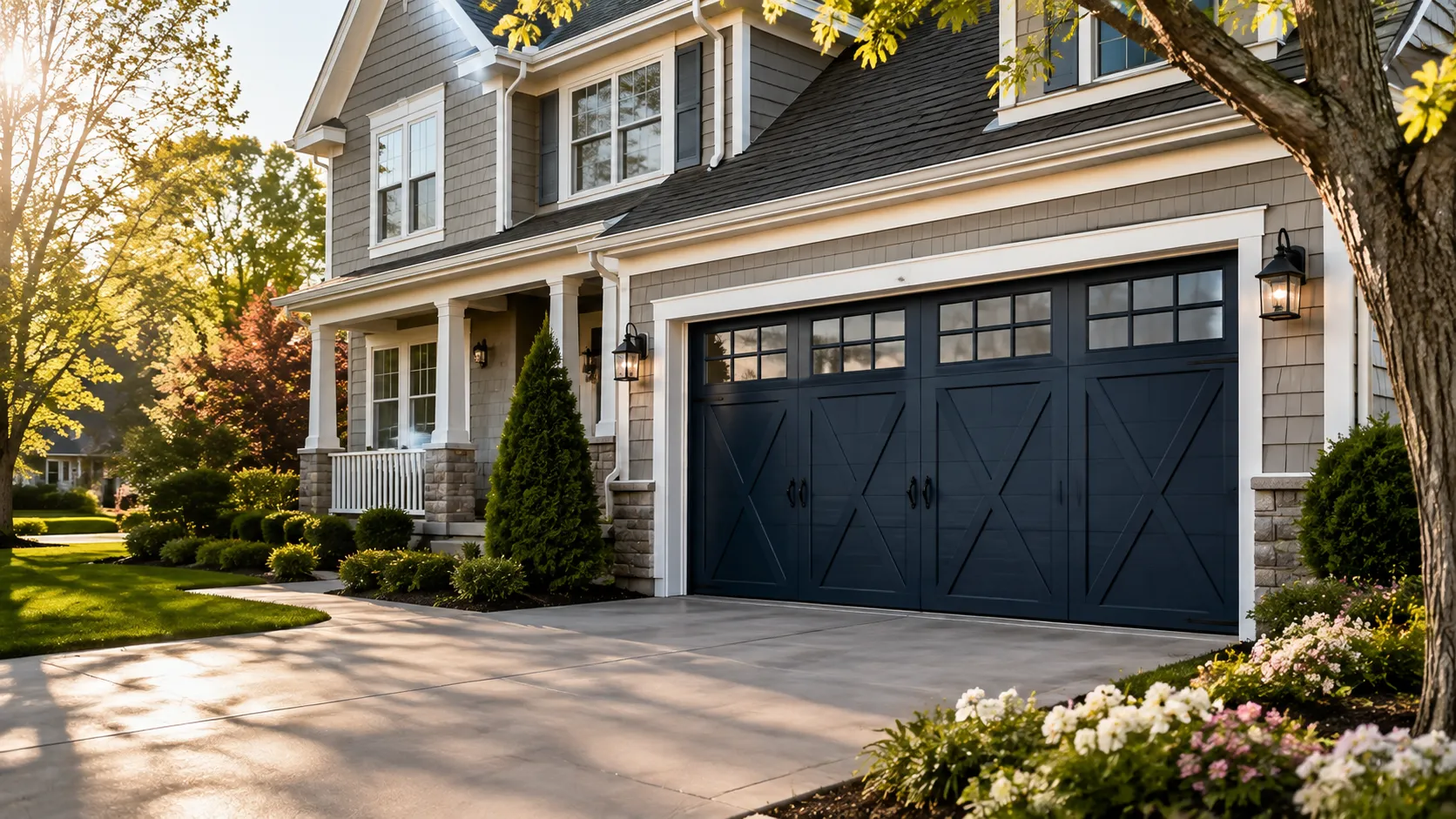
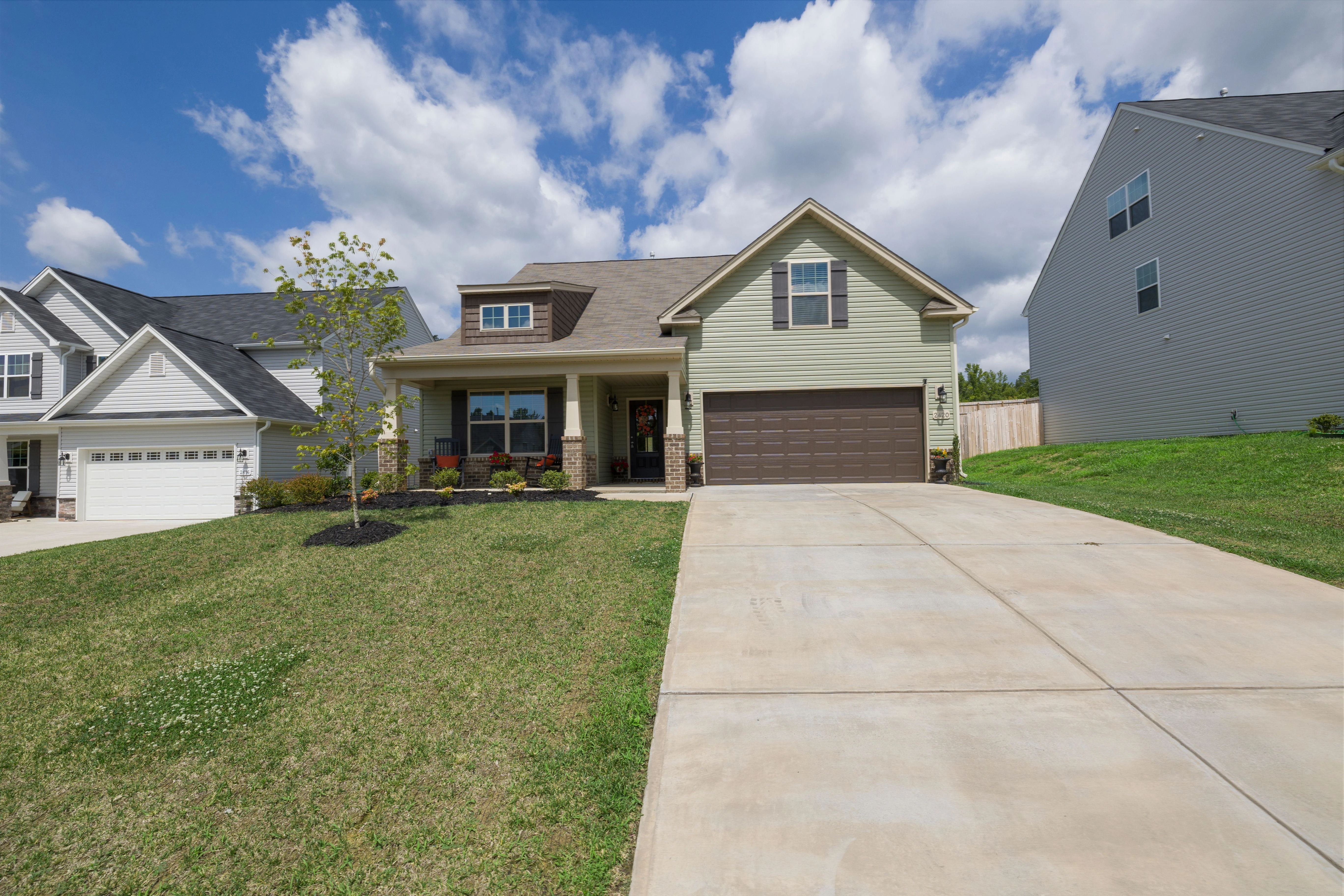
A single-car door is a small sail. A double-wide door - two cars, nine feet of steel hung on tracks meant, in a lot of this city's older housing, for something narrower - is a much bigger one, and it catches wind differently across its whole face instead of in one contained gust. Jersey City's housing runs from 1938 to 1996, with a median build year of 1958, and across 133 named areas in this region the stock leans heavily pre-1960. Garages from that era were mostly built for a single door. Where owners later widened the opening for two cars, the jamb, the header, and the track anchors don't always carry the extra load the way a door built wide from the start would.
Add wind to that setup and you get a door that racks - flexes side to side instead of moving straight up and down - because the track anchors are working harder than they were sized for. Neighborhoods close to open water, like Downtown Jersey City and The Heights, both under a mile from the river, take a straighter and harder gust than blocks set back from the waterfront. That's not a defect in the door. It's a mismatch between an old single-door frame and a wide door doing more work than it was built for.

What we find
What Most People Get Wrong
The common assumption is that a heavier door resists wind better. Sometimes the opposite is true - more surface area means more force, and if the frame under it wasn't upgraded when the door was widened, the extra weight just accelerates wear on the same undersized anchors. Owners also tend to blame the opener when a wide door starts racking in wind, because that's the part that makes noise and seems to strain. The opener is rarely the problem. It's the track alignment and the bracket load, which show up as the door catching or shuddering partway up, well before the opener itself is stressed.
Another thing people miss: a door that's been slowly racking under wind load doesn't always show it until a cold spell hits. Jersey City sits in a cold-severe climate band, and steel that's already flexed out of true during a windy stretch gets brittle and less forgiving once temperatures drop hard. A hairline bend that was cosmetic in October can crack a panel seam in January. Waiting for a visibly broken door before calling means you're often replacing more hardware than if the racking had been caught early. We'd rather look at a door that's
Ready when you are
Need a garage door sorted in Jersey City?
Jersey City Garage Door Pros repairs and installs garage doors, springs and openers in Jersey City, NJ and the surrounding area.