
Short Hills, Jersey City NJ
Garage Door Service for Short Hills, Built Mostly in the 1950s
Short Hills homes date mostly to the 1950s, with original torsion hardware and narrow steel doors. We travel from Jersey City to fix and replace them.
Local detail
Common Jobs Here
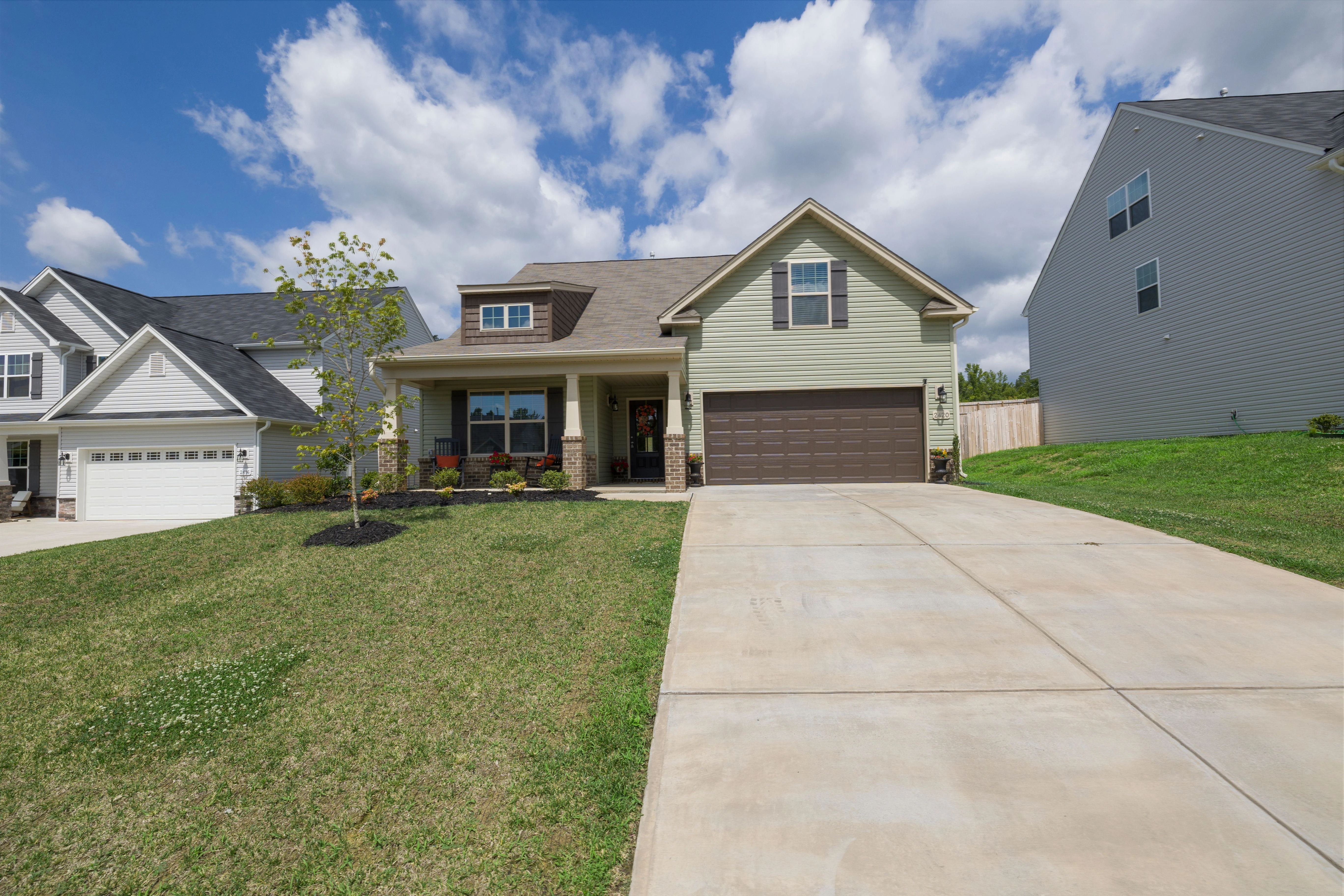
Most of the calls we'd expect from this part of Short Hills involve doors and openers that are original, or close to it, to houses built around 1957. That means single-layer steel or wood panel doors on torsion springs sized for lighter, narrower openings than what gets installed today. Rollers on 60-plus-year hardware wear out fully rather than partially, and the steel torsion springs from that era don't hold up well after a few thousand cycles in a cold climate - they lose tension unevenly, and the door starts to hang crooked on one side before it fails outright.
With median household income here at $250,001, most owners we'd work with are choosing full replacement over patch repairs once the springs or the opener drive gear go, rather than stretching a 1950s setup another decade. That's not a sales pitch, it's just what the math looks like when the hardware is this old and the household can afford to skip the stopgap. We don't stock every obsolete torsion size on the truck, so a same-day fix on genuinely original hardware sometimes means a return trip once the part is sourced.

The area
What Was Built Here
The median year built in this part of Short Hills is 1957, right in line with the broader post-war construction wave that put up most of the housing stock across this whole corner of New Jersey between 1938 and 1996, with a median around 1958. That's not a coincidence - this stretch of town went up during the same 15-year building push as most of the surrounding area, which means garages were framed to the car dimensions and single-door habits of the Eisenhower years, not the two-car, wider-opening standard that came later. With roughly 4,495 households in this area, the housing stock is dense enough that a handful of common door widths and spring configurations from that build era repeat block after block, which is useful when we're pricing a repair and know roughly what we're walking into before we see the door.

What we find
Older vs Newer Streets
Not every garage here is a straight 1957 original. Streets that got infill construction or teardown rebuilds later have openers and doors on modern low-headroom torsion systems with different spring counts and cable routing than the original stock. The older streets - closer to that 1957 median - tend to still have the narrower single-car bays, sometimes converted awkwardly to fit a second car, with hardware that's been patched piecemeal over decades rather than replaced as a system.
On those blocks, the spring, the track, and the opener are rarely all the same generation, which makes diagnosing a single failure trickier because fixing the symptom can expose a second problem underneath. The newer builds are more predictable: standard door sizes, extension or torsion springs rated for modern loads, and openers with safety sensors that are actually still under some kind of coverage. Knowing which kind of street we're pulling up to changes what's on the truck before we knock.
How we work
What That Means for Doors
This area sits in a cold, severe winter climate band, and that matters more for a 1957-era door than a newer one. Original torsion springs from that build period are steel stock without the corrosion coatings or cycle ratings used now, and repeated freeze-thaw cycles on old hardware accelerate metal fatigue - the spring that looks fine in October can snap in January.
Weatherstripping on doors this old has usually hardened past the point of sealing, which lets in more cold air than the door's insulation, if it has any, can offset. One honest limitation: we're traveling roughly 14 miles from Jersey City to reach Short Hills, so we're not a local depot with a truck sitting nearby - same-day emergency calls depend on routing and traffic that day, and we're upfront about that when we book the job rather than promising a window we can't guarantee.

Service areas
Other areas we cover near Short Hills

Questions
Common questions
Are garage door parts from the 1950s still available?
Not usually off the shelf. Original torsion springs and track hardware from a 1957-era door are often sized differently than modern stock, so a repair on a fully original setup can mean ordering a part rather than fixing it same visit. We'll tell you upfront if that's the case rather than guessing on the truck.
Why did my old torsion spring snap in winter?
Cold, severe winters put more stress on steel hardware that's already fatigued from decades of cycling. A spring from a 1957-built garage wasn't made with the corrosion coatings used today, so freeze-thaw cycles speed up wear that eventually shows up as a sudden snap rather than a slow decline.
Do you have a depot near Short Hills?
No. We run out of Jersey City, roughly 14 miles away, and travel to Short Hills for jobs. That means scheduling depends on routing that day rather than a local crew sitting nearby, which we'll tell you plainly when you call rather than promise a response time we can't back up.
Should I repair or replace an original 1950s garage door?
It depends on what's failed and what income and long-term plans look like for the house. With springs and opener parts this old, a lot of owners in this income bracket choose full replacement once one major component fails, since patching an obsolete system usually just delays the next failure.
Ready when you are
Need a garage door sorted in Jersey City?
Jersey City Garage Door Pros repairs and installs garage doors, springs and openers in Jersey City, NJ and the surrounding area.