

Englewood Cliffs, Jersey City NJ
Garage Door Work in Englewood Cliffs, Built Later Than Most of the Area
Englewood Cliffs homes mostly went up after 1970, later than most of our service area, so the doors, tracks, and openers we find here are a different job than the 1958-median stock nearby.
Local detail
Common Jobs Here
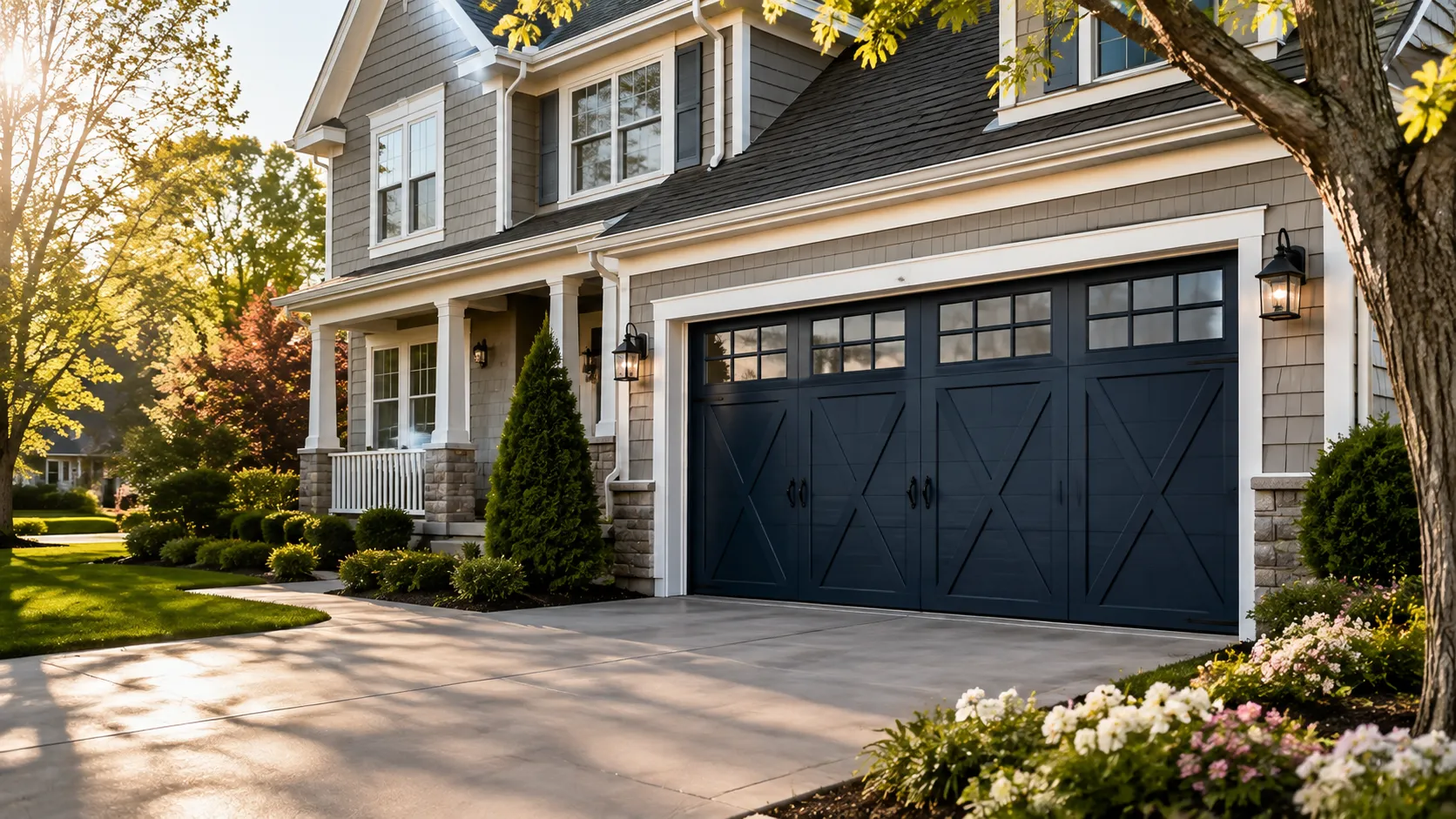
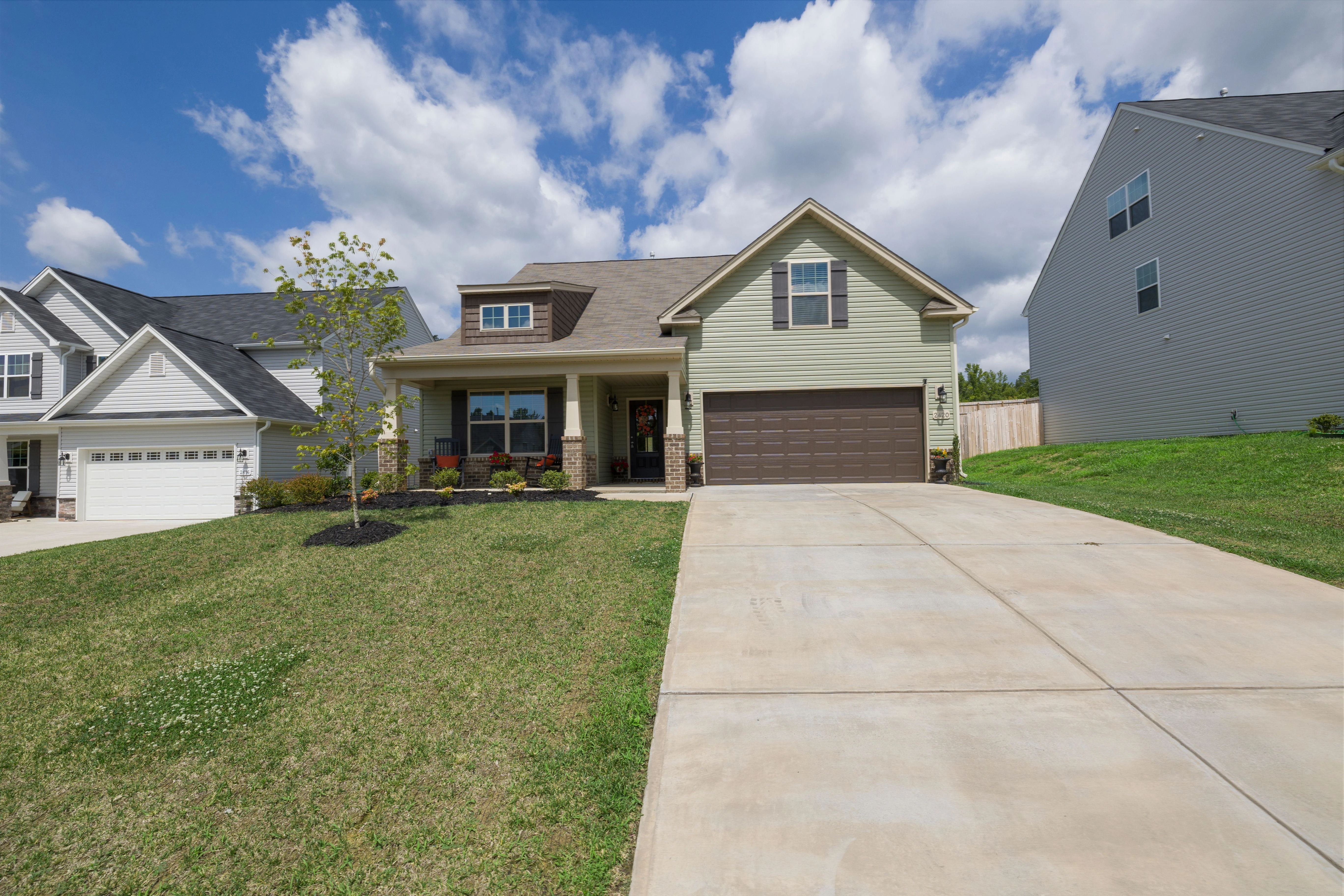
We come out to Englewood Cliffs from Jersey City, about 14 miles down, and the calls skew different from the older parts of our coverage. Because most houses here went up around 1970 rather than the 1958 median across the wider service area, we're rarely dealing with the original one-piece slab doors and side-mount torsion setups you find in the pre-1960 stock. Instead the common failures are sectional doors from a second or third replacement cycle: worn nylon rollers, extension springs that have outlived their cycle count, and chain-drive openers from the 80s and 90s that finally gave out.
With only 1,930 households in Englewood Cliffs, the housing here is lower-volume than the towns around it, and a lot of it sits on larger lots with attached garages built to a later code than the postwar stock closer to the water. That means double-door openers rated for heavier sectional doors show up more than the single-car torsion jobs we see elsewhere. We also get calls on keypads and remotes failing on openers that are simply old enough to be on their second or third battery-powered accessory.
The area
What Was Built Here
Take the service area as a whole and the median year built lands around 1958, with most of the 133 named areas we cover carrying pre-1960 housing stock. Englewood Cliffs breaks that pattern - the median year built here is 1970, a full building generation later. That gap matters more than it sounds.
A garage built in 1970 was built to a different code, with a different standard garage door opening width, and it was far more likely to come with an automatic opener installed from day one rather than retrofitted decades later. Median household income in Englewood Cliffs runs $222,192, well above the $118,835 median across the broader area we serve, and the garages we see reflect that: larger doors, insulated sectional panels rather than single-layer steel, and openers replaced on a normal 15-20 year cycle rather than left running past their design life. This is a town where the garage is more likely original-to-a-later-build than the patched-together hardware you find on 1940s and 50s housing a few miles closer to the water.

What we find
Older vs Newer Streets
Even within a town built mostly in one era, you get a mix. The oldest pockets in Englewood Cliffs still carry hardware closer to what we see in the pre-1960 majority of our service area - extension spring systems on older single doors, non-insulated panels, openers with drive systems that were phased out decades ago. The newer construction and additions carry torsion springs rated for heavier insulated doors, safety sensors as standard rather than retrofitted, and openers with rolling-code remotes.
When we get a call here we ask the build era before we guess at the fix, because a repair that's routine on a 1970s door - swapping a torsion spring, replacing a logic board - can turn into a parts-sourcing problem on the small number of older setups still running original hardware. We don't stock every obsolete trolley-track opener part from that older minority of homes; if a job needs one, we tell the homeowner upfront that it may mean an order and a wait rather than a same-visit fix.
How we work
What That Means for Doors
The service area sits in a cold, severe winter climate band, and that affects every door regardless of build year - lubricant thickens, metal contracts, torsion springs lose tension faster in cold garages that aren't heated. In Englewood Cliffs specifically, because the housing stock is newer than the area median, we're mostly working on doors and openers built to handle that cold rather than doors that have already been patched once or twice to survive it. That's an advantage: newer torsion hardware and insulated panels hold up better through a cold winter than the older single-layer doors common elsewhere in our coverage.
It also means when something does fail here, it's more often a single clean point of failure - a spring, a sensor, a logic board - rather than a chain of small failures stacked on decades-old parts. We size springs and openers to the door in front of us, not to a rule of thumb built around the older housing stock that dominates the rest of the area.

Service areas
Other areas we cover near Englewood Cliffs

Questions
Common questions
Do you have a location in Englewood Cliffs?
No, we work out of Jersey City and drive out to Englewood Cliffs, about 14 miles away, for calls. We don't keep a depot or staff stationed in town, so we schedule around the drive rather than promising a same-hour arrival.
Why is my opener different from my neighbor's older house nearby?
Englewood Cliffs was mostly built around 1970, later than the 1958 median across the wider area we cover. Houses built later usually came with an opener installed from the start and a wider standard door opening, so the hardware often differs from the pre-1960 stock common a few miles closer to the water.
Can you get parts for an older opener if my house is one of the earlier ones?
Usually, but not always same-day. Most Englewood Cliffs homes are newer than the area median, but the smaller number of older houses can still have original hardware that's not stocked anywhere locally. If that's your situation we'll say so before we quote the job, not after.
Ready when you are
Need a garage door sorted in Jersey City?
Jersey City Garage Door Pros repairs and installs garage doors, springs and openers in Jersey City, NJ and the surrounding area.