

Upper Montclair, Jersey City NJ
Garage Door Service for Upper Montclair's 1938-Era Homes
Jersey City Garage Door Pros drives out to Upper Montclair for repair on the 1938-era torsion springs and openers common to this small, high-income pocket.
Local detail
Common Jobs Here
The calls we get from Upper Montclair skew toward age, not neglect. Torsion spring replacement is the most common job - a door built around 1938 has been through decades of winter cold-snap contraction and summer expansion, and the springs on the original hardware are long past their wind count. We also see a lot of opener retrofits: houses from this era didn't come with an automatic opener at all, so what's installed now is often a second or third unit bolted onto a track that predates it, and the fit is never quite right.
Panel replacement comes up on doors that have been patched more than once, where the steel is thin enough that a new dent means a new door section rather than a hammer-out repair. Cable fraying is common too, especially on doors that still run on the narrower drums built for older, lighter panel stock. One thing we won't do is force a modern safety sensor kit onto a track that's been reshaped by decades of settling - if the frame is out of square by more than a little, that's a carpentry problem before it's a garage door problem, and we'll say so rather than bill for parts that won't hold.
The area
What Was Built Here
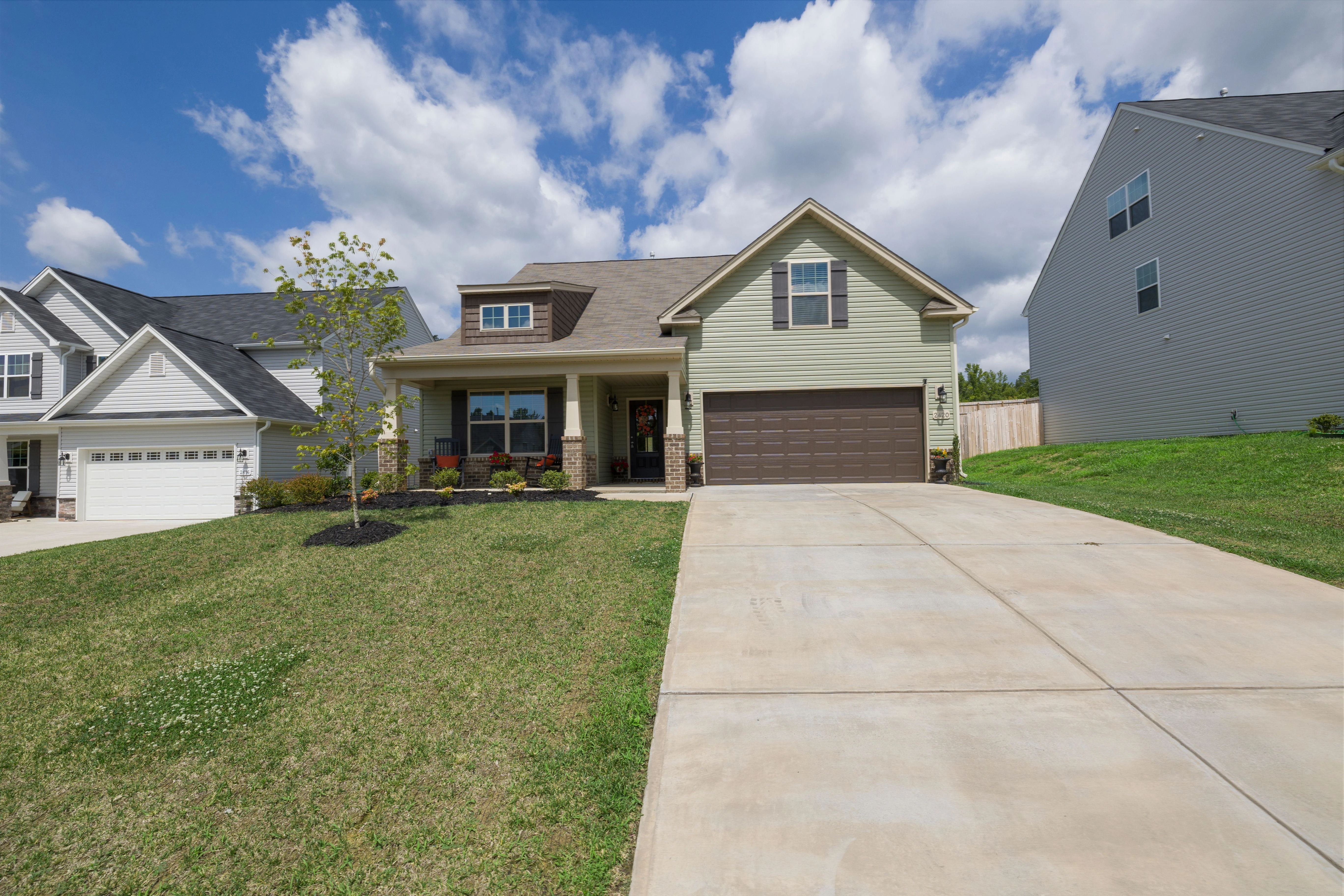
Upper Montclair's housing sits at a median build year of 1938, which puts it at the older edge of the wider service area's 1938 to 1996 span. With roughly 3,921 households packed into this pocket, it's a small, dense area rather than a sprawling one, and most of what's here went up in a single long building period rather than in later waves of new construction.
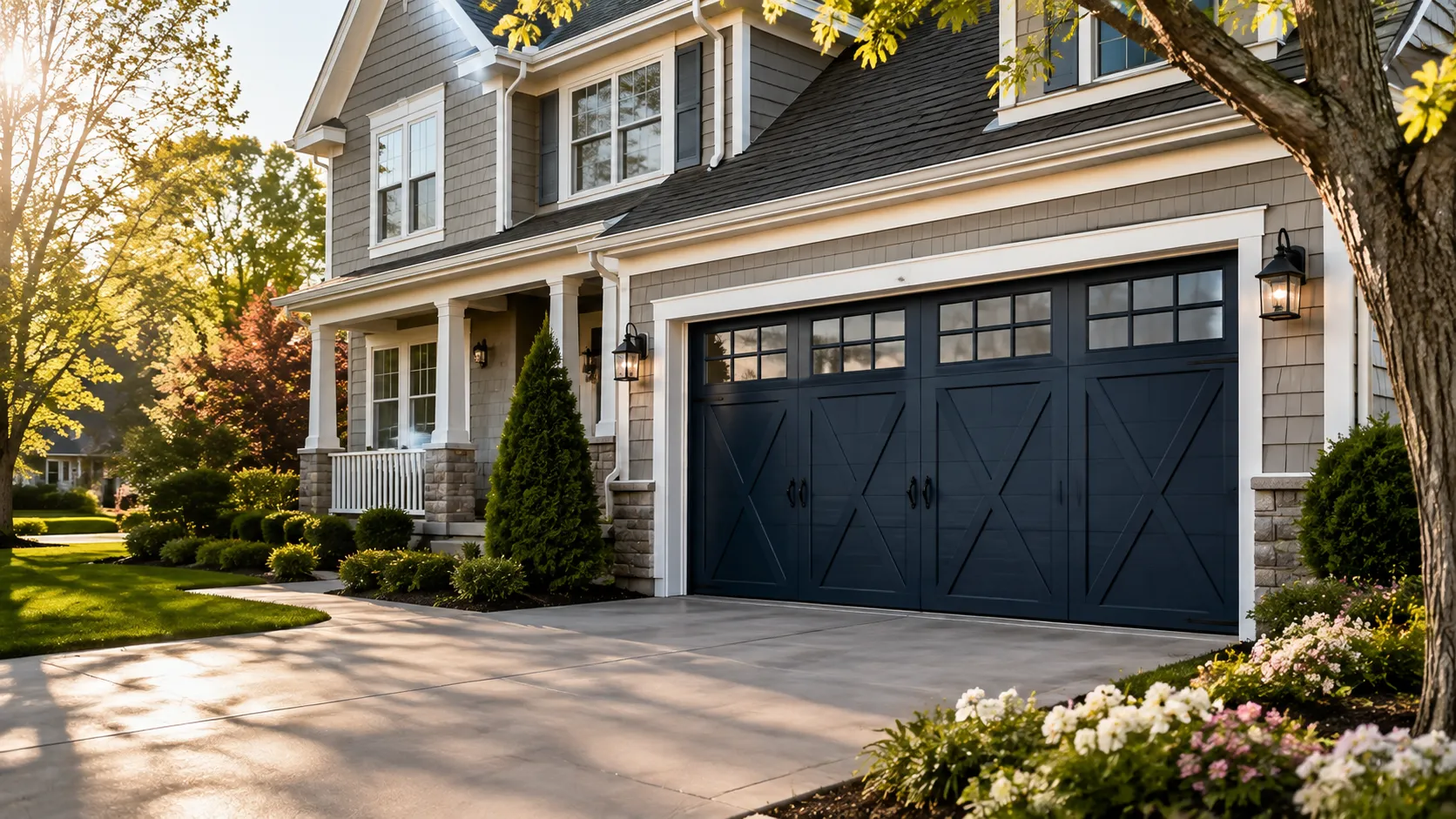
The median household income of $250,001 shows up directly in the kind of doors we see - a lot of wider two-car openings, custom widths on detached garages, and requests for insulated steel or carriage-style doors instead of the cheapest option on the shelf. That combination - old bones, higher-spec replacements - means jobs here often involve matching a modern door to an opening that was framed for something narrower and shorter than what's sold today.

What we find
Older vs Newer Streets
Because the area's median build year sits right at 1938, the front end of the broader 1938-1996 range for the region, Upper Montclair doesn't have much of the newer end of that spread. Most of what a crew works on here is original-era construction rather than the 1970s or 1980s infill you'd find in newer sections of the coverage area.
That matters for door sizing: garages built early in that span were framed for single, narrower doors even on houses that later added a second bay, so you'll see mismatched openings on the same house - one original, one added later with a wider track and different hardware entirely. A door that looks like a clean match from the street can be running on two completely different generations of rail underneath.
How we work
What That Means for Doors
A door built to 1938 specs and a door built to 1990s specs don't fail the same way, and they don't get fixed the same way either. The older stock here tends to run single-layer steel or original wood panels with no insulation, on torsion hardware sized for lighter loads - swap in a heavier insulated replacement panel without upgrading the spring and you'll be back to a snapped cable within a season. The cold-severe winters this region sees put real cycles of expansion and contraction on that older spring steel, and a 1938-era door has absorbed a lot more of those cycles than something installed even thirty years later.
The honest limit here: some of the original wood doors and odd-width openings need parts that aren't on a standard truck stock, so a same-visit fix isn't always realistic - those jobs sometimes mean a return trip once the right size is in hand. And because we're coming from Jersey City, about 12 miles out, we schedule Upper Montclair calls rather than treat them as a drop-by.

Service areas
Other areas we cover near Upper Montclair

Questions
Common questions
Why does my opener keep failing even though it's newer than the door?
On a lot of Upper Montclair houses the door itself dates to around 1938 while the opener is a much later addition bolted onto older track and framing. The opener isn't wrong for the job, but the track alignment, spring balance, and mounting points it's fighting were never built with a powered unit in mind, which shortens its life.
Do you have a depot or crew based in Upper Montclair?
No. We run out of Jersey City, about 12 miles away, and schedule Upper Montclair jobs from there rather than staging locally. That means we plan the trip in advance rather than offering same-hour drop-ins.
My garage was built in the 1930s - is it worth repairing or should I replace it?
Depends on the door. If the panels are original wood or thin single-layer steel with hardware sized for a much lighter load, a repair can hold for a while but won't match the demands of a heavier insulated replacement. We'll look at the actual spring and track before recommending either way.
Why did my last repair need a part you didn't have on the truck?
Some of the openings in this area are original, odd widths that don't match current standard door sizes. Those parts aren't standard truck stock, so occasionally a job needs a short return trip once the correct size hardware is in.
Ready when you are
Need a garage door sorted in Jersey City?
Jersey City Garage Door Pros repairs and installs garage doors, springs and openers in Jersey City, NJ and the surrounding area.