

Fords, Jersey City NJ
Garage Door Service for Fords, NJ Homes
Fords homes run older than the average town this crew covers from Jersey City - median build year 1957 means different springs, different tracks, different failures.
Local detail
Common Jobs Here
The truck comes 18 miles out from Jersey City to get to Fords, and what's waiting on the other end of that drive is a different job mix than closer-in towns. With roughly 4,691 households in this stretch and a median build year of 1957, most of the calls here aren't opener boards or smart-hub pairing. They're torsion springs that have finally given out after decades of cycles, worn galvanized cable fraying at the drum, and steel tracks bent from a car bumper tap that never got noticed until the door started binding.
We also see a fair number of old extension-spring setups that were never converted to torsion, which is a fine system when it's maintained but a rough one when the springs are original to the house. A one-piece door on side hardware from that era isn't a five-minute fix - the parts aren't something a big-box store carries, and matching hinge spacing on a panel door built in the Eisenhower years takes actual sourcing time. That's the honest limitation: if your door was installed before 1970, expect the job to take longer because the hardware isn't standard stock anymore.
The area
What Was Built Here
A median build year of 1957 puts a big share of Fords housing stock into the postwar boom - modest ranches and capes put up fast to house families moving out from the city core. That's consistent with the wider pattern across this part of New Jersey, where housing generally went up between 1938 and 1996 and most of the older-area stock in the region predates 1960.
What that means on the ground: single-car and two-car attached garages built with the house, not added later, using whatever door hardware was standard at the time - steel torsion springs on a horizontal shaft, often undersized for today's heavier insulated doors if a door's ever been swapped. Homes at $116,250 median household income here tend to maintain rather than replace on a whim, which we respect - a working door doesn't need to become a new door just because it's old.

What we find
Older vs Newer Streets
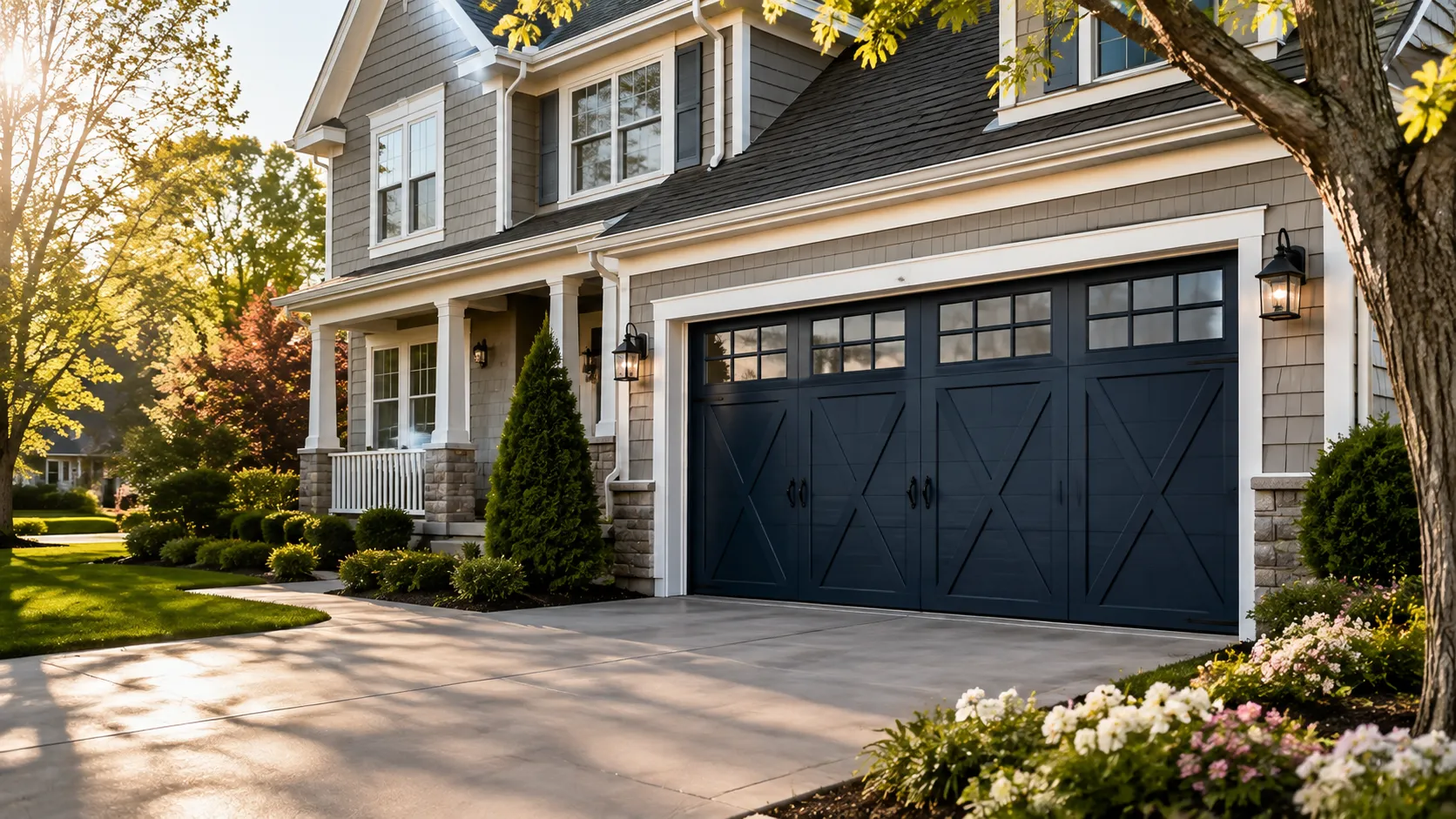
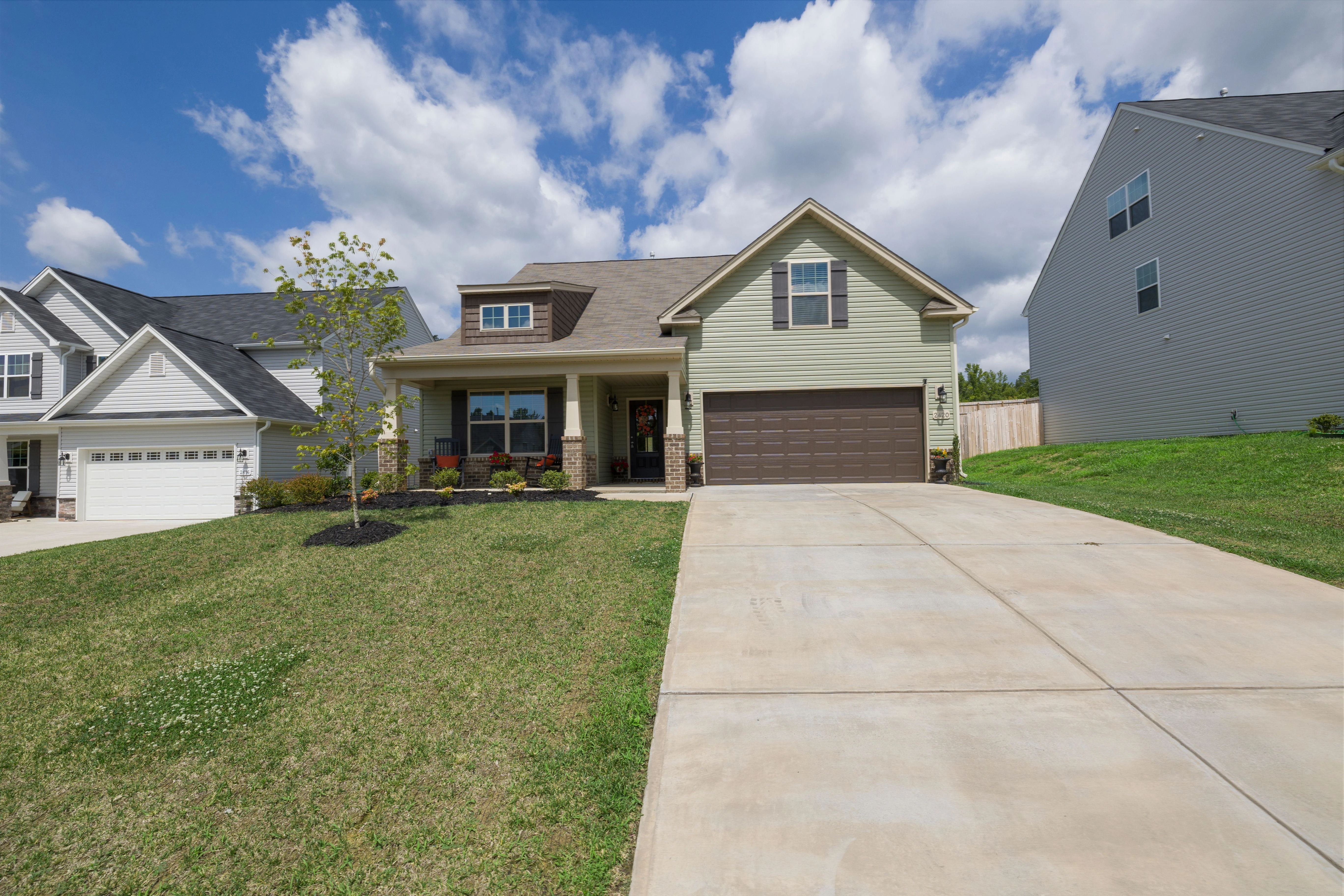
Not every block in Fords dates to the same decade. The oldest sections carry that 1950s-era garage - narrower opening, lower headroom, hardware sized for a lighter wood door that's since been replaced with something heavier the springs were never rated for. Streets built up later, closer to the newer end of that 1938 to 1996 regional build window, tend to have wider two-car openings, taller headroom for modern opener rail, and torsion springs actually matched to the door weight.
The practical difference shows up in service calls: on the older streets we're often re-springing to correct for a mismatch nobody flagged when the door itself was replaced years ago. On the newer streets the failures look more like normal wear - rollers, cable fatigue, opener gears - rather than a structural mismatch. Knowing which kind of block a house sits on tells us what we're likely walking into before the truck even leaves Jersey City.
How we work
What That Means for Doors
Cold, severe winters do real work on garage door hardware, and Fords sits squarely in that climate band. Steel contracts in deep cold, torsion springs lose a little tension, and a door that closed fine in October can start binding or slamming by January. On a house with 1950s hardware, that seasonal swing is often what finally snaps a spring that was already near the end of its life.
On newer doors it usually just means a rougher ride, not a failure. We don't replace a spring that still has life left in it just because it's original - if it's cycling smoothly and the cable isn't frayed, it can often run another few winters. But if you're hearing a bang on a cold morning or the door's starting to hang unevenly, that's the cold finishing off wear that's been building for years, and it's worth a call before the cable goes too.

Service areas
Other areas we cover near Fords

Questions
Common questions
Why does my garage door bind up more in winter?
Steel hardware contracts in cold weather, and torsion springs lose a bit of tension when the temperature drops. In a climate this cold, that seasonal swing is often what pushes an already-worn spring past its limit. It's more noticeable in Fords homes with original 1950s-era hardware than in houses with newer, correctly matched springs.
Is it worth fixing an old 1950s garage door instead of replacing it?
Often yes, if the frame and track are sound and the springs are the main problem. Replacement parts for older one-piece doors take longer to source since they're not standard stock, but a working panel door doesn't need to be junked just because it's original to the house.
How far out is Fords from your base in Jersey City?
About 18 miles. We travel out to Fords as part of our coverage area, so scheduling is worth locking in ahead rather than expecting a same-hour drop-in.
Do newer houses in Fords have different garage door problems than older ones?
Yes. Homes built later in the area's construction window generally have wider two-car openings and springs sized correctly for the door weight, so failures tend to be normal wear - rollers, cables, opener gears - rather than the spring mismatches common on older, narrower garages.
Ready when you are
Need a garage door sorted in Jersey City?
Jersey City Garage Door Pros repairs and installs garage doors, springs and openers in Jersey City, NJ and the surrounding area.